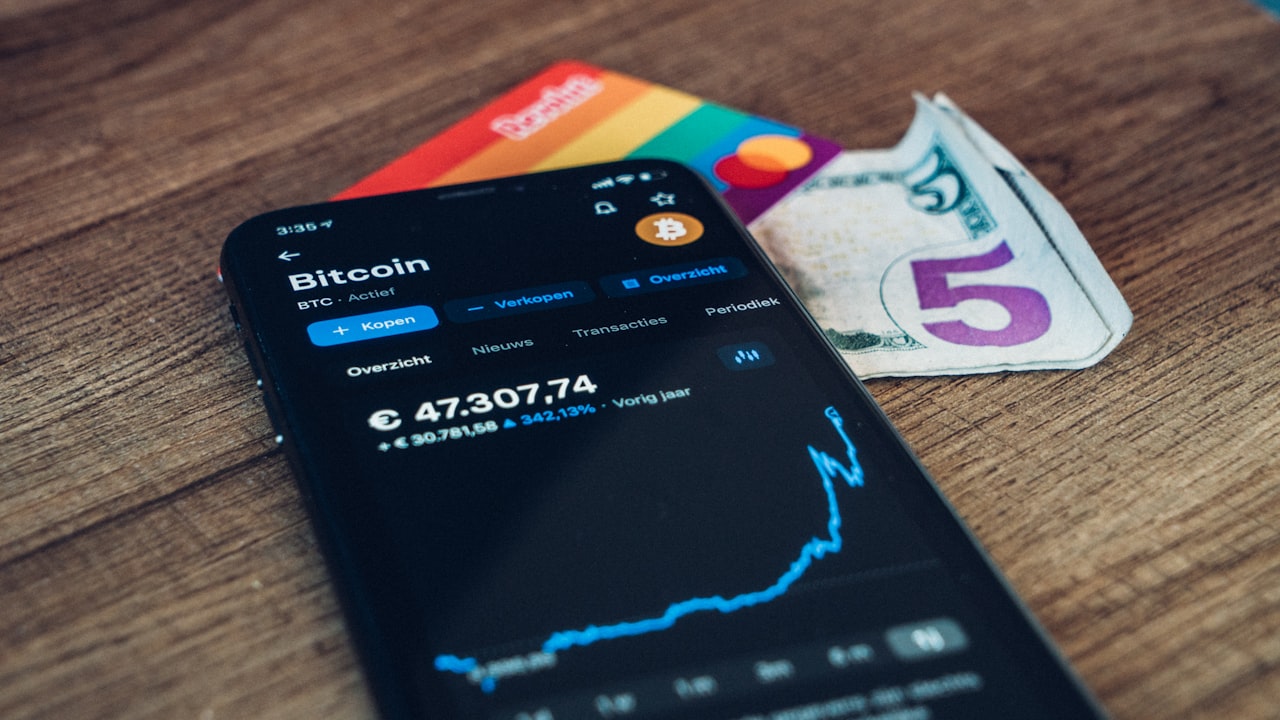
What Is a Prepaid Crypto Card?
A prepaid crypto card is a payment card that bridges cryptocurrency and everyday spending. You load crypto into a linked wallet, and the card issuer converts it to fiat currency in real-time at the point of sale. This means you can pay at any Visa-accepting merchant — online, in-store, or overseas — without selling your crypto first.
Signal: Prepaid crypto cards let you hold crypto and spend it simultaneously, unlike traditional wallets where you must sell before paying.
The card exists in two forms: virtual (instant, app-only) and physical (plastic, ships in 15+ days). Your wallet remains your own — the card issuer never controls your private keys. This is the defining feature separating prepaid crypto cards from custodial payment apps, which hold your balance for you.
Key metric: A single prepaid crypto card (like ether.fi Cash) can serve as both a crypto wallet and a payment instrument.
What Is the Difference Between Crypto Cards and Crypto Wallets?
Understanding the difference between a crypto card and a crypto wallet is crucial. A wallet — MetaMask, Ledger, Trezor, or even a paper backup — is purely a custody tool. It stores your private keys and lets you sign transactions on the blockchain. Wallets are powerful for security and self-sovereignty, but they don’t integrate with the Visa network.
Why it matters: A wallet lets you hold crypto; a prepaid card lets you spend it.
A prepaid crypto card adds a payment layer on top of custody. When you swipe your card at a café, the card issuer:
- Reads your purchase amount.
- Deducts that amount from your linked crypto wallet (usually a stablecoin like USDC).
- Sends a Visa authorization to the merchant.
- The merchant receives fiat currency; you lose crypto.
In contrast, a traditional wallet can only move crypto to another wallet address — it cannot directly trigger a Visa payment or an ATM withdrawal.
Signal: Most prepaid crypto card holders keep both a wallet and a card: the wallet for savings and multi-sig security, the card for daily spending.
What Is a Layer 2 Crypto Card?
A Layer 2 (L2) crypto card runs on a faster blockchain layer instead of the main Ethereum network. Layer 2 solutions like Scroll, Arbitrum, and Optimism process transactions in seconds with fees under $0.10 — compared to 12–30 seconds and $3–$20 on mainnet.
ether.fi Cash is a Layer 2 crypto card running on Scroll. This means:
- Loading your card costs pennies, not dollars, because on-chain transactions are cheaper.
- Transactions settle faster, reducing the delay between your purchase and the deduction from your wallet.
- You avoid mainnet congestion, which can slow down traditional Ethereum-based cards by hours.
Key metric: Layer 2 reduces transaction costs by 90–99 % compared to mainnet, making frequent card use affordable.
Why it matters: A Layer 2 prepaid crypto card makes sense for everyday spending because the gas fees don’t eat into your cashback rewards. On mainnet, a $5 purchase might cost $1–$2 to settle on-chain — L2 brings that cost down to pennies.
For comparison, older prepaid crypto cards (some running on Ethereum mainnet) forced users to batch transactions or pay high settlement fees. Layer 2 cards eliminate this trade-off.
Rewards, Cashback, and Earning Structure
Most prepaid crypto cards reward you for using them. ether.fi Cash offers up to 3 % cashback on all purchases, meaning every dollar you spend earns back crypto.
Some cards also layer promotional bonuses:
- Tiered rewards: Higher spending tiers unlock higher percentages.
- Staking bonuses: If the card is tied to staking (like ether.fi), your rewards may include both card cashback and staking yields.
Signal: Prepaid crypto card rewards are typically paid in the card’s native stablecoin (USDC on ether.fi Cash), not in a separate token that can depreciate.
However, the exact reward structure varies by card. Some cards offer rewards only on certain merchants (Crypto.com, for example, has higher rates on travel and entertainment). Always verify the reward terms before signing up to match your spending habits.
Check the terms for expiration dates.
Self-Custody Security and Control
One of the core benefits of a prepaid crypto card is self-custody integration. Unlike custodial cards (where the issuer holds your balance in a corporate wallet), self-custody cards let you maintain control of your private keys at all times.
With ether.fi Cash:
- You own the wallet linked to the card.
- You hold the recovery phrase (the 12–24 words that unlock your wallet).
- Only you can authorize transactions — the issuer cannot freeze or restrict your balance.
- If the card issuer goes bankrupt, your crypto is safe in your wallet.
Risk: Self-custody means you are your own bank. If you lose your recovery phrase or private key, nobody can recover your funds. Always back up your recovery phrase offline (paper, metal, secure storage) and never share it with anyone, including support staff.
The trade-off is personal responsibility. Custodial cards (like Crypto.com) offer insurance and account recovery, but the issuer technically controls your balance. Self-custodial cards put the power in your hands.
Why it matters: Self-custody + spending is the closest crypto has come to the ideal of “hold your own assets while participating in the financial system.”
Getting Started with a Prepaid Crypto Card
If you decide a prepaid crypto card is right for you, the setup process is straightforward:
- Sign up through the issuer’s app or website.
- Complete KYC (Know Your Customer) verification — phone OTP, government ID, and a liveness selfie.
- Create your wallet or link an existing one.
- Load your wallet with a stablecoin (usually USDC or USDT).
- Order your card (virtual instant, physical in 15+ days).
- Start spending — your first purchase will confirm the setup.
Most prepaid crypto cards (including ether.fi Cash) charge no monthly fees and no minimum balance. You only pay FX fees if you spend in a currency the card doesn’t support — typically 0 % on USD and EUR, 1 % on others.
Signal: If you’re new to crypto or payments, start with a small balance (e.g., $100 USDC) to test the card before going all-in.
You can explore prepaid crypto card options and see which card best matches your spending patterns, country of residence, and risk tolerance.
Use Cases for Prepaid Crypto Cards
Prepaid crypto cards work best for specific use cases:
- Global travelers: Avoid currency exchange fees and ATM surcharges by spending in multiple currencies with minimal FX cost.
- Remote workers: Freelancers paid in crypto can spend earnings directly without converting to fiat.
- Crypto advocates: Hold your beliefs — spend crypto directly instead of selling.
- DeFi participants: Keep your yield-generating coins staked while spending from a linked card.
- Privacy-conscious users: Self-custody means no traditional bank account required.
Prepaid crypto cards are not ideal for large purchases, business accounting, or users who prefer custodial insurance.
The Future of Prepaid Crypto Cards
As of 2026, prepaid crypto cards are growing rapidly. Market volume exceeded $600 million in March 2026 alone, with on-chain cards (self-custodial) taking 6–7 % of that share. ether.fi Cash is among the leaders in this category.
Expect to see:
- More Layer 2 solutions launching cards (cost and speed benefits).
- Regulatory clarity in major markets (EU, UK, US).
- Deeper DeFi integration (staking rewards, lending yields).
- Multi-chain card support (spending on Bitcoin, Solana, etc.).
- Enhanced UX (no KYC, faster onboarding, better mobile apps).
Watch: Regulatory changes in your country could expand or restrict crypto-card availability. Check your local regulators’ stance before relying on a card for essential spending.
Ready to combine self-custody with everyday spending? [
]
Risk & Disclosure Notice
DefyCard publishes affiliate-linked reviews; we may earn a commission when you sign up through our links. Crypto is volatile. The value of cryptocurrency can fluctuate sharply, and prepaid crypto cards expose you to this volatility — your card balance may rise or fall in value without warning. Country restrictions apply. Prepaid crypto cards are not available in 20 countries (including Belarus, China, India, Russia, Turkey, and others). Always verify your country’s availability status on the card issuer’s website before signing up. Self-custody is your responsibility. Only you can recover a lost recovery phrase or private key — the card issuer will not help you recover lost keys, and funds will be permanently inaccessible. Never share your recovery phrase with anyone.