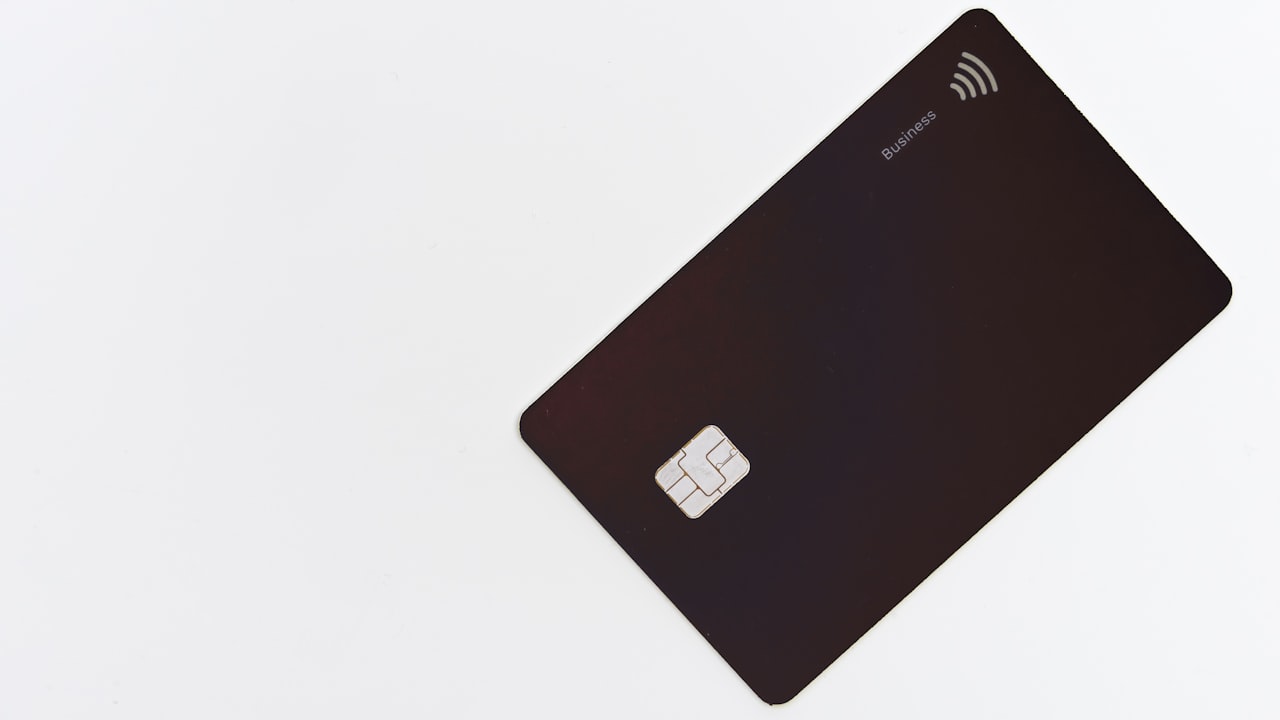
What Is a Crypto Credit Card?
A crypto credit card is a payment card that converts your cryptocurrency balance into spendable currency at point-of-sale. Unlike traditional credit cards that extend a line of credit, crypto cards typically draw from a balance you’ve already funded—usually a stablecoin or wrapped crypto asset.
Signal: The card networks (Visa, Mastercard) handle the real-time payment rail; the blockchain handles settlement and rewards distribution. Your card works at any Visa merchant worldwide, but your funding source is digital.
The flow is simple:
- You deposit crypto (or fiat converted to stablecoin) into your card’s wallet.
- You tap or insert your physical or virtual card at a merchant.
- The card issuer converts your crypto to local fiat in real-time.
- Visa processes the transaction like any other card.
- Cashback rewards are credited to your crypto account (not as airline miles—actual crypto).
Why it matters: Traditional credit cards reward you in airline miles or store points, which have limited liquidity. Crypto cards reward you in assets you own and can move, trade, or hodl.
How Does Crypto Cashback Work?
Crypto cashback is fundamentally different from traditional rewards because the payout is denominated in an asset with real market value, not a closed ecosystem.
Key metric: ether.fi Cash offers up to 3 % cashback in crypto, with promotional rates reaching. These percentages are paid out in the same stablecoin or crypto asset you used to fund the card.
When you spend $100 USD on ether.fi Cash at a coffee shop:
- The card processes the payment through Visa.
- 3 % ($3 USD equivalent) is credited to your ether.fi account as USDC or another asset.
- You retain full custody of that $3—no expiration, no restrictions, no conversion fees to redeem.
Risk: Crypto asset volatility means the USD value of your cashback fluctuates. If you earn 3 % in ETH and the price drops 20 %, your reward’s fiat value falls too. Watch: whether your card offers stablecoin payouts (USDC, USDT) vs. volatile assets; stablecoins protect your cashback value.
Traditional credit cards pay rewards in a proprietary currency: points. Those points have no secondary market—you can only use them within the issuer’s ecosystem. Crypto cashback is liquid from day one.
How Does ether.fi Cash Work?
ether.fi Cash is a Visa card issued on the Ethereum network (via Scroll, a scaling solution). Here’s how the mechanics differ from traditional cards:
Funding Your Card
ether.fi Cash is a non-custodial card: you control the wallet, not the issuer. To spend:
- You transfer USDC, USDT, or another stablecoin to your ether.fi wallet address.
- Your card draws balance from that wallet in real-time.
- You remain the sole owner of the private key—the issuer cannot freeze or redirect your funds.
Signal: Non-custodial is a key differentiator. Custodial cards (like Crypto.com) hold your funds on their servers. ether.fi’s self-custody model means regulatory risk is on you, not the card company—a feature for users who prioritize sovereignty.
Spending and Cashback
When you swipe your ether.fi Cash card:
- The Visa network routes the transaction in real-time.
- Your ether.fi wallet balance is debited in stablecoin.
- The merchant receives payment from ether.fi’s liquidity pool (not your wallet directly).
- Cashback accrues instantly to your ether.fi account as crypto.
For example: spend $500 USD at a restaurant with 3 % cashback → you earn $15 USDC in your ether.fi wallet immediately. No points to redeem, no waiting for a statement, no minimum balance.
Tiers and Limits
ether.fi Cash uses a monthly spend tier system:
Core tier: Up to $2,000 spend per month. $40 refundable deposit for the physical card (free virtual card).
Luxe tier: Up to $10,000 spend per month.
Pinnacle tier: Up to $50,000 spend per month. Expedited physical card shipping (1–3 business days vs. 15+).
Cashback rates don’t change by tier—all users earn up to 3 % (or higher promos on dining). The tier system controls volume, not rewards.
Custody and Security Considerations
Understanding who holds your funds is critical to evaluating any crypto card.
Self-Custody (ether.fi Cash)
With ether.fi Cash, you control the private key to your wallet. The issuer cannot:
- Lock your account and seize funds.
- Unilaterally change terms and clawback balances.
- Experience a breach that exposes your balance (your wallet is on-chain, fully transparent to you).
But you must:
- Secure your seed phrase yourself—if you lose it, your funds are unrecoverable.
- Monitor for phishing attempts targeting your wallet.
- Stay aware of your jurisdiction’s tax reporting requirements (self-custody often requires explicit crypto sales tracking).
Risk: Self-custody is powerful but requires discipline. A single mistake—sharing your seed phrase, using a compromised wallet, losing your recovery phrase—means permanent loss. Custodial card companies absorb this operational burden but centralize risk.
Custodial Cards (Crypto.com, Coinbase)
Alternative crypto cards like Crypto.com hold your balance on their servers. Trade-offs:
- Pro: You cannot lose your keys because you don’t hold them. Easier onboarding, customer support if something goes wrong.
- Con: Your balance depends on the company’s solvency and regulatory status. If the issuer fails (like FTX in Nov 2022), customers may lose access to funds during bankruptcy.
Why it matters: The 2023 crypto regulation push globally has increased scrutiny on custodial services. Self-custody cards sidestep much of that regulatory overlap.
Real-World Use Cases
Earning Yield on Stablecoins
You hold USDC in a savings account earning 2 % APY. With ether.fi Cash, you can spend that USDC and earn 3 % cashback on purchases. Net result: 5 % effective return on your balance (if you view the cashback as yield).
Watch: This only works if you’re comfortable with the spending discipline—cashback is a reward for discretionary spending, not a substitute for savings yield.
Avoiding FX Fees Abroad
ether.fi Cash charges 0 % FX on USD and EUR transactions, 1 % on all other currencies. If you travel frequently or work internationally, that spread saves money vs. traditional cards (which charge 2–4 % FX).
Travel Without Bank Gatekeeping
Traditional banks sometimes freeze accounts during foreign travel. A crypto card funded by your own wallet cannot be frozen by the issuer. Your balance is always accessible on-chain.
What to Watch
- Regulatory shifts in your jurisdiction: Some countries are tightening rules on self-custodial cards. Monitor your local financial regulator’s guidance.
- Stablecoin stability: If your card pays cashback in a stablecoin, track whether it maintains a $1 peg. USDC, USDT, and DAI are battle-tested; newer stablecoins carry more risk.
- Card-to-wallet limits: Some cards cap the amount you can move from merchant settlement back to your personal wallet. Verify limits before signing up.
- Fiat off-ramps: Ensure your card issuer supports converting crypto to local currency at a reasonable cost.
- Tax reporting clarity: Self-custody crypto cards may require detailed transaction logs. Keep records of every purchase and cashback credit.
Bottom Line
- Crypto credit cards use the Visa network for real-time payments and stablecoins for instant settlement. Your card draws from a crypto wallet you control, and cashback is paid in crypto—not closed-loop points.
- How does crypto cashback work? Every purchase earns a percentage paid directly to your wallet as a liquid asset you own. Up to 3 % on ether.fi Cash, higher rates during promotions.
- Self-custody cards give you control but require discipline. ether.fi Cash and other non-custodial cards mean you hold the private key—powerful, but with no customer support if you lose it.
- If you already hold stablecoins and want to earn on them while spending, a crypto card like ether.fi Cash combines payment convenience with cashback rewards you actually own.
Frequently Asked Questions
Q: Do crypto credit cards require a credit check? A: No. Crypto cards are prepaid (you fund them from your wallet), so there is no credit decision. You do need to pass KYC (know-your-customer) identity verification, which typically takes 5–10 minutes.
Q: Can I use a crypto credit card to buy more crypto? A: Most crypto card issuers prohibit direct crypto purchases to avoid facilitating risk-taking leverage. You can withdraw fiat from your card to your bank account, then buy crypto on an exchange, but that is two steps, not one.
Q: What happens to my cashback if the issuer shuts down? A: With non-custodial cards like ether.fi Cash, your cashback sits in your own wallet on-chain—it is not held by the issuer. If the company ceases operations, your wallet and funds remain on the blockchain, accessible via any Ethereum wallet software (MetaMask, etc.). Custodial cards carry risk of loss if the company goes bankrupt.
Q: Are crypto credit cards available worldwide? A: Physical cards ship to 76 countries. Virtual cards may be available in additional regions. Country availability depends on regulatory approval; ether.fi, for example, is not available in 20 sanctioned or restricted countries. Check your region before signing up.
Q: How is cashback taxed? A: Tax treatment varies by jurisdiction. In many places, cashback is treated as income at the time of receipt (USD value on the date you earned it). Self-custody cards require you to maintain records and file accordingly. Consult a local tax professional for your specific situation.
Q: Does a crypto card charge an annual fee? A: ether.fi Cash charges no annual fee for the virtual card. Physical cards have a $40 refundable deposit (returned if you close the card or request cancellation). No monthly or recurring fees.
Risk and Disclosure
FTC disclosure: DefyCard publishes affiliate-linked crypto-card content. We may earn a commission when you sign up for ether.fi Cash or other products through our links. This never increases your cost and helps support our independent reviews.
Crypto-asset volatility: If your card pays cashback in volatile crypto assets (ETH, BTC) rather than stablecoins, the value of your rewards will fluctuate with market prices. Lock in gains if rewards spike in value.
Country availability: ether.fi Cash is not available in Belarus, Bangladesh, China, Cuba, Estonia, Finland, Hungary, India, Iraq, Israel, Nepal, Netherlands, North Korea, Philippines, Russia, Syria, Turkey, Ukraine, Venezuela, or Vietnam. It is also restricted in 21 US states (Arizona, Delaware, Georgia, Idaho, Louisiana, Maryland, Mississippi, Missouri, Montana, Nevada, New Mexico, North Dakota, Ohio, Oregon, Rhode Island, South Dakota, Tennessee, Vermont, Washington, Wisconsin). Verify your location matches ether.fi’s service area before completing KYC.