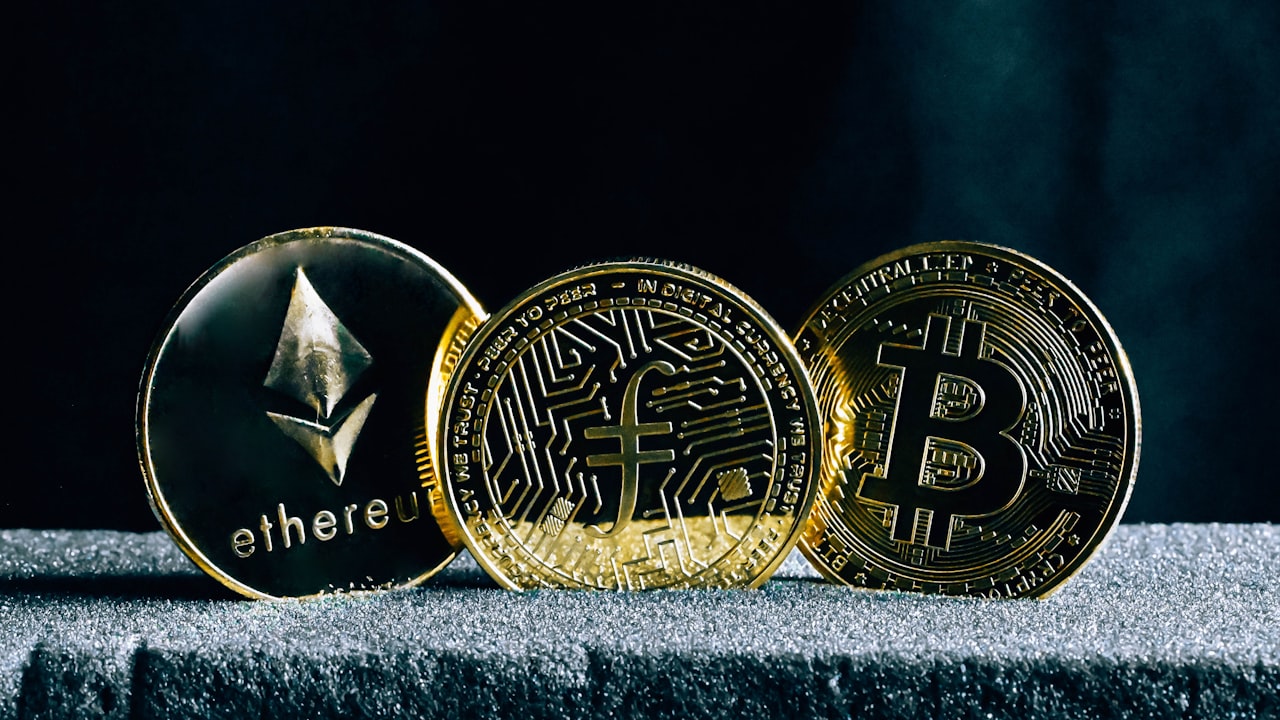
Why Bridge ETH to Scroll?
Scroll is an Ethereum Layer 2 network designed for speed and cost efficiency. Bridging ETH from Ethereum mainnet to Scroll lets you access cheaper transactions, participate in Scroll-based DeFi applications, and move assets to crypto debit cards that support the network.
Signal: Layer 2 networks reduce fees by 80–95 % compared to mainnet, making them ideal for frequent traders, yield farmers, and anyone loading assets onto crypto cards.
Why it matters: If you’re paying $20–$100 per Ethereum transaction, moving to Scroll cuts costs dramatically. When combined with a crypto card earning cashback (like ether.fi Cash’s up to 3 % on all spending), bridged assets multiply in value.
Common use cases include:
- Yield farming — Lock ETH in Scroll-based protocols to earn rewards.
- Trading — Execute swaps with sub-cent fees instead of mainnet costs.
- Crypto card loading — Move assets to Scroll-compatible wallets, then fund a debit card like ether.fi Cash or Crypto.com.
- Self-custody — Keep your ETH in your own wallet while accessing Layer 2 speed.
Top Bridge Protocols Compared
Three main options exist for bridging ETH to Scroll. Each has trade-offs in speed, cost, and user experience.
Scroll’s Official Bridge
Maintained by the Scroll team, this is the most secure and most frequently used bridge. You deposit ETH on mainnet, and it’s locked in a smart contract. After a brief delay (typically 1–3 minutes), equivalent ETH is released on Scroll.
Stargate Finance
A cross-chain liquidity protocol that bridges assets across multiple Layer 2 networks. Stargate often has lower fees because it uses liquidity pools instead of locked contracts, but requires more technical knowledge.
Across Protocol
Optimized for speed and low slippage. Across uses its own relay network, so bridging can complete in under a minute. Good for time-sensitive traders.
Key metric: Official Scroll Bridge is best for security and simplicity; Stargate and Across suit power users seeking lower fees or speed. For first-time bridgers, Scroll’s official bridge is recommended.
Risk: Stargate and Across add liquidity risk — ensure you understand slippage before crossing large amounts.
How to Bridge ETH to Scroll: Step-by-Step
This walkthrough uses Scroll’s official bridge, the most straightforward method.
Step 1: Prepare Your Wallet
Open MetaMask or your chosen wallet. Ensure you have:
- ETH balance on Ethereum mainnet (the amount you want to bridge, plus ~$20–$50 for gas).
- Mainnet selected (not a testnet or other chain).
- Active internet connection and no phishing tabs open.
Step 2: Visit the Scroll Bridge
Navigate to scroll.io/bridge or use the Scroll Ecosystem app. Avoid clicking links from unverified sources — always type the URL directly.
Step 3: Connect Your Wallet
Click “Connect Wallet.” Select MetaMask (or your wallet provider). A popup will ask for permission to view your address and balances. Grant it. Do not approve any token spending at this stage.
Step 4: Enter the Bridge Amount
In the “From Ethereum” field, enter the amount of ETH you want to bridge. The interface will show:
- Estimated gas fee (in USD and ETH).
- Estimated wait time (usually 1–3 minutes for finality).
- Minimum amount (varies, but often $1 or less).
Review the fee. If it’s higher than you expect, wait for lower network congestion (typically off-peak hours like 02:00–06:00 UTC) and try again.
Step 5: Approve and Confirm
Click “Bridge.” Your wallet will request two confirmations:
- First transaction: Approve the bridge contract to move your ETH. Sign this transaction.
- Second transaction: Initiate the bridge. Sign again and wait for confirmation (1–2 minutes).
Do not close the browser or go offline during this time.
Step 6: Verify the Bridge
Once mainnet confirmation completes, the bridge will display a transaction ID. Click it to view on Etherscan (Ethereum mainnet) and Scrollscan (Scroll network).
After ~3 minutes, your ETH will be claimable on Scroll. Return to the bridge page, connect your wallet, and click “Claim.” Sign the claim transaction, and your ETH is now on Scroll.
Watch: Check gas prices before bridging — Ethereum mainnet fees spike during high activity. If the fee exceeds 15 % of the amount you’re bridging, consider waiting for lower congestion or bridging a larger amount to amortize the cost.
After Bridging: Use Your Assets
Now that your ETH is on Scroll, you have several options.
Load Onto a Crypto Card for Cashback
One of the highest-value uses is loading bridged assets onto a crypto debit card. Cards like ether.fi Cash offer up to 3 % cashback on all spending, meaning your bridged ETH earns value as you spend.
How it works:
- After bridging, your Scroll-based wallet holds your ETH.
- Visit the card issuer (ether.fi or Crypto.com) and link your Scroll wallet.
- Fund your card balance from your Scroll account.
- Spend like a normal Visa debit card — every purchase earns cashback.
Why it matters: Most crypto cards force you to hold assets on centralized exchanges. With ether.fi Cash, your ETH stays in self-custody, earning you cashback without giving up control.
ether.fi Cash’s 0 % FX on USD and EUR (1 % on other currencies) makes it ideal for bridging, since you avoid currency conversion losses. Available in 76 countries including the US, UK, EU, and LATAM.
Alternative: Crypto.com Card also supports loading from various networks and offers rewards up to 5 % depending on your tier.
Trade or Farm on Scroll
If you prefer not to load onto a card, use your bridged ETH in Scroll-based DeFi:
- Swap for stablecoins via Uniswap (Scroll version) or other DEXs.
- Deposit in lending protocols for interest.
- Provide liquidity and earn fees.
Risk: DeFi protocols vary in security and maturity. Newer Scroll-based protocols may have contract risks — start with established protocols and small amounts.
Security Best Practices
Bridging moves your assets across smart contracts and blockchain networks. Follow these practices to keep your ETH safe.
1. Verify the Bridge Source
Always access the bridge from an official source:
- Type
scroll.io/bridgedirectly into your address bar (do not click links). - Verify the SSL certificate (green lock icon in your browser).
- Bookmark the official bridge after your first use.
2. Double-Check Wallet Addresses
Before confirming any transaction:
- Ensure your MetaMask is connected to Ethereum mainnet (top-left dropdown).
- Confirm your receiving Scroll address matches your wallet (should auto-populate, but verify).
- Copy-paste addresses instead of typing them.
3. Use a Hardware Wallet (Ledger, Trezor)
If you’re bridging a large amount (>1 ETH), connect a hardware wallet instead of MetaMask. Hardware wallets sign transactions in hardware, keeping your private keys air-gapped from the internet.
4. Start with a Test Amount
Before bridging your full balance:
- Bridge 0.1 ETH first.
- Verify it arrives on Scroll within 5 minutes.
- Only then bridge the remainder.
Risk: Smart contract exploits are rare but possible. The official Scroll Bridge has been audited and is battle-tested, but Stargate and Across carry higher smart contract risk — use them only if you understand the trade-offs.
Why it matters: A single wrong address or approving a malicious contract can drain your wallet. These steps are the difference between a safe bridge and a costly mistake.
Common Pitfalls to Avoid
Mistake 1: Bridging to the Wrong Network
If you accidentally send ETH to a Scroll address while on mainnet (or vice versa), your ETH may be lost. Always verify your connected network (top-left in MetaMask) before confirming.
Mistake 2: Ignoring Gas Fees
Fees on Ethereum mainnet can spike to $50–$100+ during congestion. Check ethgasstation.info or gasprice.io before bridging. If fees are high, wait 1–4 hours for congestion to clear.
Mistake 3: Not Claiming Your Bridged ETH
After the bridge finalizes (~3 minutes), you must claim your ETH on Scroll. If you don’t return to the bridge and click “Claim” within 7 days, manual claiming may be required (or contact Scroll support).
Mistake 4: Using an Unverified Bridge
Scammers create fake bridge websites that steal your private key or drain your wallet. Always use scroll.io/bridge directly, never from a search ad or unfamiliar link.
Mistake 5: Bridging During Network Stress
Rush bridging when Ethereum is under heavy load (e.g., during major token launches or market crashes) increases both cost and error risk. If the network is stressed, wait—your assets aren’t going anywhere.
Final Thoughts
Bridging ETH to Scroll is straightforward when you follow the official process and verify each step. The real value comes after bridging: loading assets onto a crypto card like ether.fi Cash to earn cashback, or farming in Scroll-based DeFi to multiply your yield.
Whether you’re moving $100 or $10,000, take your time, verify addresses, and start with a small test amount. Once you’re comfortable, scale up. Scroll’s infrastructure is designed for safety and speed—your job is to avoid common mistakes and use your bridged assets wisely.
Ready to earn cashback on your bridged assets? Open your ether.fi Cash account and start spending today — up to 3 % cashback, 0 % FX on USD/EUR, available in 76 countries.
Risk & Regulatory Disclosure
DefyCard publishes affiliate-linked reviews; we may earn a commission when you sign up through our links (this is disclosed again for emphasis). Cryptocurrency assets are volatile. The value of bridged ETH may rise or fall based on market conditions. This guide is educational only and not investment advice.
Country restrictions: ether.fi Cash is not available in Belarus, Bangladesh, China, Cuba, Estonia, Finland, Hungary, India, Iraq, Israel, Nepal, Netherlands, North Korea, Philippines, Russia, Syria, Turkey, Ukraine, Venezuela, or Vietnam. It is also not available in 21 US states (Arizona, Delaware, Georgia, Idaho, Louisiana, Maryland, Mississippi, Missouri, Montana, Nevada, New Mexico, North Dakota, Ohio, Oregon, Rhode Island, South Dakota, Tennessee, Vermont, Washington, or Wisconsin). Verify your jurisdiction before signing up.
Smart contract risk: Bridging involves smart contracts. While Scroll’s official bridge is audited, no smart contract is 100 % risk-free. Only bridge amounts you can afford to lose.