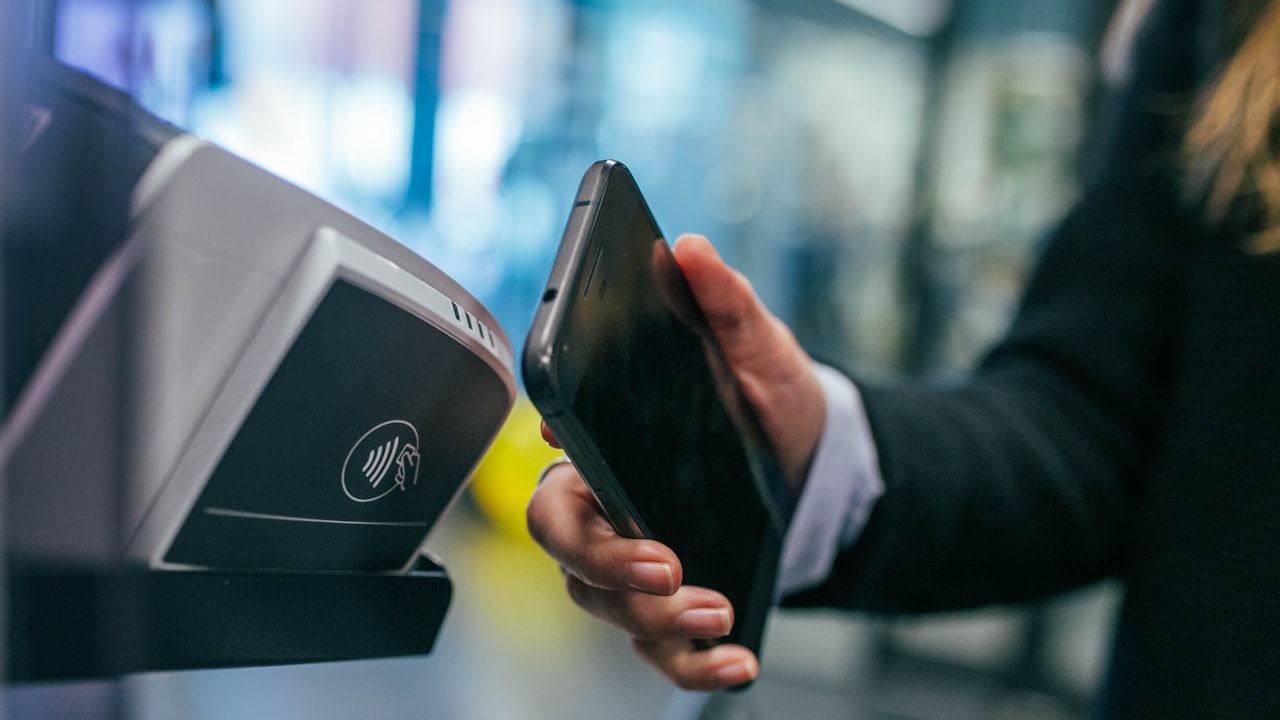
Why Crypto Cards Get Declined at Hotels
When you hand over a crypto card at a hotel desk, the terminal runs a series of checks. Your card has a Visa badge, but the issuer is unfamiliar to legacy hotel systems. Pre-authorization holds kick in automatically—hotels lock funds to guarantee you’ll pay before check-out.
Signal: Most declines aren’t because your card is crypto. It’s because the hotel’s payment processor doesn’t recognize non-traditional issuers quickly. Older terminals especially struggle with newer fintech cards.
Two specific failure modes: (1) pre-authorization hold fails because the card doesn’t have enough balance or the issuer doesn’t respond fast enough, and (2) 3D Secure authentication times out or the hotel’s system doesn’t support it.
Compare this to traditional credit cards, which large banks issue and hotel terminals see daily. Crypto cards carry more friction because the payment rails are newer, even though the Visa network is identical. Knowing the difference between a real decline and a timeout prevents panic and booking cancellations.
Pre-Authorization Holds on Crypto Cards
Hotels don’t charge your card at check-in. Instead, they place a pre-authorization hold—a temporary lock on funds to verify you can cover the bill. A $100–$500 hold is standard, depending on room rate and location. The hold clears in 3–5 business days after checkout.
Key metric: Most pre-auth holds release within 72 hours, but some banks take longer.
Here’s where crypto cards sometimes stumble. The issuer must respond to the hold request within seconds. If the issuer’s servers are slow or the hotel’s processor times out, the hold fails and the card gets declined—even though you have the money.
ether.fi Cash responds to pre-auth requests instantly because it uses established Visa infrastructure. The issuer is registered with major payment networks, so hotel systems recognize it immediately. You avoid the “slow issuer” trap that newer crypto cards hit.
Why it matters: A failed hold doesn’t just decline your payment. It flags your card as “risky” to the hotel’s system, and the front desk may deny the reservation outright. Understanding the timing prevents false panic about balance.
Once the hold clears, the actual charge typically processes within 24 hours. If you see both the hold AND the charge on your statement, that’s normal—the hold converts to the charge, then releases.
3D Secure Authentication and Crypto Cards
3D Secure is an extra authentication layer that asks you to verify your identity (via PIN, biometric, or OTP) before the charge goes through. Hotels rarely trigger this for regular bookings—but when they do, older hotel systems can’t handle the redirect.
Risk: A 3D Secure request at the hotel desk often times out because hotel terminals can’t display a phone authentication prompt. The charge fails, and the desk assumes your card is declined.
ether.fi Cash supports 3D Secure, but the issuer can’t control when a merchant requests it. What matters is how quickly the 3D Secure challenge resolves. Some crypto-card issuers delay authentication, causing the hotel’s terminal to timeout.
ether.fi Cash processes 3D Secure challenges in milliseconds because it uses Visa’s established authentication network. No delays, no timeouts—the challenge and response complete before the terminal gives up.
Why it matters: If the hotel asks for 3D Secure, your phone will receive a notification. Approve it immediately. Delays = declined charge. Know in advance that your card will handle the auth quickly, so you’re not caught off-guard.
Alternative: Some travelers disable 3D Secure for certain merchants to avoid this. That’s riskier, especially abroad. Instead, use a card that handles 3D Secure smoothly—which ether.fi Cash does.
How ether.fi Cash Works at Hotels
ether.fi Cash is a Visa card issued by an established fintech partner with direct relationships to major payment networks. Hotels’ payment processors recognize the Visa badge and the issuer’s credentials instantly.
Signal: Visa + established issuer = hotel systems recognize the card as legitimate, reducing friction.
Key advantages at hotel desks:
- No pre-auth delays. The issuer responds to hold requests in milliseconds, so the hotel’s terminal doesn’t timeout.
- 3D Secure handled. Authentication challenges complete before the terminal gives up.
- 0 % FX on USD and EUR. No foreign exchange markup if you’re traveling in USD or EUR zones—you pay what the card quotes.
- 1 % FX on other currencies. If you’re in a country using a non-USD/EUR currency, you still pay only 1 % FX, much lower than traditional credit cards (2–3 %).
- Up to 3 % cashback on spending. Even at hotels and restaurants, you earn cashback on every charge.
Most hotels worldwide accept Visa. The hotel’s terminal sees ether.fi Cash as a normal Visa card, with no special handling or red flags. This is the opposite of experimental crypto-card issuers that some hotel systems reject outright.
Why it matters: Visa + brand recognition = fewer support calls to the front desk, faster checkout, and no surprises mid-trip.
The card works in 76 countries where ether.fi offers service. If you’re traveling outside those regions (such as North Korea, Iran, Russia, or Venezuela), the card won’t process—but ether.fi’s website shows the full list of supported territories upfront.
Prevention: 6 Steps to Ensure Your Crypto Card Works
1. Notify your issuer of travel dates. Some crypto-card issuers flag foreign transactions as fraud. Let ether.fi know you’re traveling so the card doesn’t lock mid-trip.
2. Check your available balance before check-in. Hotels hold $100–$500. If your balance is lower, the hold fails. Top up your account before arriving.
3. Have a backup payment method. A traditional credit card, debit card, or cash ensures you’re never stuck if the crypto card declines. Hotels require a valid payment method at check-in.
4. Keep your phone charged. If the hotel requests 3D Secure, you’ll need to approve the auth on your phone. A dead phone = a failed charge.
5. Arrive with time to spare. Hotel staff are faster and more helpful when there’s no rush. If there’s a decline, you’ll have time to troubleshoot with front desk instead of holding up other guests.
6. Ask the front desk about their payment system. Some older hotels still use terminals that reject non-traditional cards. Knowing this in advance lets you provide a backup card without surprises.
Watch: If you see a pre-auth hold on your statement but the actual charge hasn’t appeared after 24 hours, contact the hotel’s billing department. A missing charge after a successful hold is rare but indicates a processing error on the hotel’s side.
What to Watch
- Pre-auth hold appears but doesn’t clear after 5 days — contact your issuer, not the hotel. The hold is on their side.
- Card declined, but your balance shows the full amount available — likely a timeout (pre-auth or 3D Secure). Ask the front desk to try again or use your backup card.
- 3D Secure notification arrives but expires in 2 minutes — approve the auth immediately. Delayed approval = declined charge.
- Hotel insists your card “isn’t Visa” — politely show them the Visa logo on the card and ask them to try the payment again. Terminal glitches happen.
- Multiple declines in one country — check if that country is on ether.fi’s prohibited list. If so, no amount of troubleshooting will help; use a backup card or contact support for alternatives.
Bottom Line
If you fit this profile, ether.fi Cash solves the problem: You travel internationally multiple times per year, you want to earn cashback even on hotels and restaurants, you don’t want foreign exchange markups eating into your budget, and you want a card that works without drama at hotel desks worldwide.
- Crypto cards CAN work at hotels—but only if the issuer is fast and the card is Visa. ether.fi Cash is both.
- Pre-authorization holds are normal, not a sign of a declined card. Understand the timing and you’ll avoid false alarms.
- 3D Secure friction is real, especially at hotel terminals. ether.fi Cash processes auth challenges instantly, reducing this risk.
- Keep a backup payment method and verify your balance before check-in. These two steps prevent 80 % of hotel payment headaches.
FAQ
Q: Do all hotels use pre-authorization holds? A: Most do, yes. Some boutique hotels or Airbnb properties may not. Always assume a hold and ensure you have 1.5× the room rate available in your account. Some hotels hold $500 regardless of room price—a safety margin for incidentals.
Q: How long does a pre-auth hold actually take to release? A: Most banks release holds within 3–5 business days after checkout. Some take longer depending on the hotel’s processor and the bank’s settlement cycle. If it’s been more than a week, contact your issuer.
Q: Can I use a crypto card at overseas hotels if I don’t speak the language? A: Yes. The hotel staff see Visa on the card, just like any other Visa card. You don’t need to explain it’s crypto. If they ask questions, just say it’s a Visa debit card.
Q: What if the pre-auth hold succeeds but the final charge declines? A: This is rare. Contact the hotel’s billing department immediately. A successful hold followed by a declined charge usually means a processing error on the hotel’s payment gateway, not your card.
Q: Does ether.fi Cash work at all hotels worldwide? A: ether.fi Cash works at hotels in 76 supported countries. It won’t work in prohibited territories (North Korea, Iran, Russia, Syria, Cuba, Venezuela, Myanmar, Ukraine). Check the supported-countries list on ether.fi before traveling.
Q: Should I disable 3D Secure to avoid timeouts at hotels? A: No. Disabling 3D Secure reduces security. Instead, use a card (like ether.fi Cash) that handles 3D Secure quickly. If you must travel to a high-risk region, use a backup card instead of disabling authentication.
Risk & Disclosure
DefyCard publishes affiliate-linked reviews; we earn a commission when you sign up for ether.fi Cash through our link. This article is not financial advice. Crypto assets are volatile, and while ether.fi Cash holds your crypto in non-custodial storage, exchange rates fluctuate. Hotel holds and pre-authorization are standard banking practices, not unique to crypto cards. Ensure ether.fi operates in your country before signing up—access is restricted in 20 territories and 21 US states. Always verify country eligibility on ether.fi’s official website.