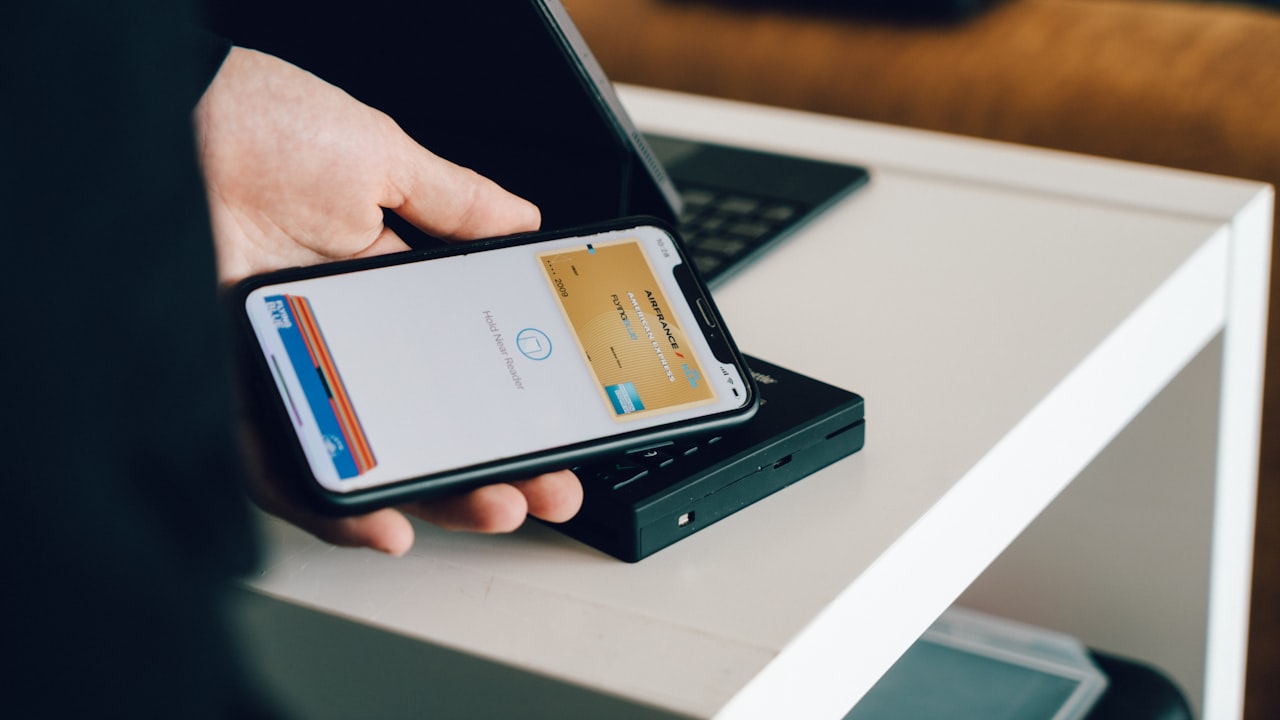
What Is Borrow Mode in Crypto Cards?
Borrow mode is a credit feature offered by some crypto card issuers. Instead of spending only the fiat or stablecoin balance you’ve loaded onto your card, borrow mode lets you access a credit line backed by your crypto holdings.
Signal: Borrow mode is a leverage feature — you’re spending borrowed money, not your own. This amplifies both gains and losses in volatile markets.
Why it matters: The mechanics differ from traditional credit cards. With a bank card, you borrow fiat and repay in fiat. With a crypto card’s borrow mode, you post crypto as collateral, borrow stablecoins or fiat, and the collateral can fluctuate in value. If your collateral drops below the loan’s threshold, the card issuer may liquidate positions or freeze your access.
Common Borrow Mode Mechanics
Most crypto cards that offer borrow mode use one of two models:
- Collateralized credit: You deposit crypto. The card issues you a credit line worth 50–80 % of that crypto’s value, depending on volatility and tier.
- Undercollateralized credit: Some newer cards offer borrowing at higher LTVs, but these carry higher interest or stability fees.
The key risk: if the crypto you posted as collateral drops in value, your available credit shrinks instantly. If it drops far enough, the card may liquidate your collateral to repay the outstanding balance.
Example Scenario
Let’s say you post 10 ETH as collateral (worth $35,000 at $3,500 per ETH). A card’s borrow mode offers 70 % LTV, so you can borrow $24,500 in USDC. You spend $10,000 on expenses. If ETH drops to $2,800, your collateral is now worth $28,000, and your credit line shrinks. If ETH falls to $1,700, your collateral equals only $17,000 — below your $10,000 outstanding balance — triggering liquidation.
Key metric: Most crypto cards require 10–20 % collateral buffer above your outstanding balance.
How Does Crypto Card Conversion Work?
When you swipe a crypto card at a merchant, you’re not sending blockchain transactions. Instead, the card processor needs to convert your crypto (or borrowed crypto, if using borrow mode) into fiat in real time.
This is where how does crypto card conversion work becomes critical to understanding costs and timing.
Two Conversion Models
Real-time conversion (point-of-sale)
- You tap the card.
- The card processor instantly quotes a price for the crypto-to-fiat swap.
- Your crypto holdings are debited and converted.
- The merchant receives fiat payment.
- Risk: High slippage during volatile markets can inflate your effective cost.
Batch conversion (daily or weekly)
- You spend using the card throughout the day.
- At the end of the day (or week), the card issuer batches all purchases and converts your crypto in bulk.
- Bulk conversion often has better pricing (lower slippage) than real-time swaps.
- Trade-off: You don’t know your exact cost until after the conversion completes.
FX and Conversion Fees
How does crypto card conversion work with different currencies? This is crucial:
- Zero-fee conversion on major pairs (USD/EUR): You get spot price, no margin added.
- 1–2 % spread: The card issuer adds a small markup on the crypto-to-fiat rate.
- FX fees on non-base pairs: If you spend in GBP when your balance is in USD, expect an FX fee of 1–3 %.
ether.fi Cash, for example, offers 0 % FX on USD and EUR, making it competitive for users in major currency zones.
Risk: Volatile crypto prices can make real-time conversion very expensive during market swings. Batch conversions hedge this but create settlement uncertainty.
Why it matters: Over a year of regular spending, conversion fees and FX margins add up to 2–5 % in extra costs, depending on your usage patterns.
How Is Crypto Card Cashback Paid?
One of the biggest draws of crypto cards is cashback. But how is crypto card cashback paid works very differently from traditional card rewards.
Standard Cashback Models
- Staking rewards: The card returns a percentage of your spending as staking rewards, paid monthly in your staked asset.
- Crypto cashback: Earned in the card’s native token or Bitcoin.
- Yield farming: Some cards airdrop governance tokens or provide yield-farming opportunities with your balance.
ether.fi Cash offers up to 3 % standard cashback. This is paid as yield over time, not as a separate statement credit.
Why Cashback Is Different
Traditional credit cards pay rewards in points you redeem for flights or merchandise. Crypto cards pay cashback that:
- Stays in crypto: Your cashback grows (or shrinks) with the market.
- Can be staked again: Some cashback is automatically staked, compounding returns over months.
- Is taxable: In most jurisdictions, cashback is income — you owe tax on its value at the time it’s credited.
Key metric: Top crypto cards offer 1–3 % base cashback, with 5–15 % promotional rates on specific merchant categories (dining, groceries, travel).
Payment Schedule
How is crypto card cashback paid? Timing varies significantly:
- Monthly: Cashback credited on the first day of the next month.
- Per-transaction: Some cards credit it immediately (rare).
- Quarterly: Bundled for tax reporting purposes.
- Via staking: Paid as staking rewards (auto-compounding).
The method depends on the card’s infrastructure and issuer model.
Why it matters: If you’re planning to use cashback for near-term expenses, delayed payment hurts. If you’re a long-term holder, immediate staking compounds growth better.
Is Borrow Mode Right for You?
Not everyone needs borrow mode. In fact, many card users skip it entirely.
Borrow Mode Makes Sense If:
- You want to hold your long-term crypto positions while accessing short-term spending power.
- You’re comfortable with liquidation risk if your collateral drops sharply.
- You understand collateral thresholds and actively monitor them.
- You’re using stablecoins as collateral (lower volatility = lower liquidation risk).
Simpler Alternatives
Cards like ether.fi Cash avoid borrow-mode complexity altogether:
- No collateral requirements.
- No liquidation risk or monitoring.
- Direct staking rewards for every purchase.
- Straightforward conversion at checkout.
Signal: If you’re new to crypto cards or prefer simplicity, a card without borrow mode might suit you better. You’ll spend less time monitoring collateral and more time earning yield.
Alternative: For users who want advanced credit features, platforms like Nexo or Celsius (where available in your region) offer tiered borrow programs with higher complexity but more flexibility.
What to Watch
- Liquidation ratio trends: Monitor your collateral closely. Set alerts if it approaches the critical threshold.
- Conversion fee changes: Cards often adjust spread rates seasonally. Check quarterly.
- Regulatory announcements: Borrow-mode features can be restricted or banned in certain jurisdictions. Stay informed.
- Staking rate updates: Cashback rates aren’t always fixed. Compare annual rates before signing up.
- Card issuer stability: Track announcements about reserve audits, partnerships, and financial health.
Bottom Line
- Borrow mode is leverage: It amplifies returns but also risk, best suited for active, sophisticated users.
- Crypto card conversion works via real-time or batch swaps: Understand which model your card uses and what fees apply.
- Cashback is paid in crypto or staking rewards: Plan for tax implications and reinvestment timing.
- If simplicity matters more than features, ether.fi Cash offers yield-while-spending without borrow complexity. Sign up today and start earning up to 3 % rewards on every purchase.
FAQ
Q: What happens if my collateral drops below the liquidation threshold?
A: The card issuer’s system automatically sells off your posted collateral to repay your outstanding balance. This is called a forced liquidation. You lose the collateral at the time of sale, even if it recovers later. Always maintain a safety buffer above the minimum collateral ratio.
Q: Can I use stablecoins as collateral for borrow mode?
A: Most cards accept stablecoins (USDC, USDT) as collateral, but they typically offer lower LTVs than volatile crypto. For example, you might get 90 % LTV on USDC but only 70 % on ETH. Check your card’s documentation for specific ratios.
Q: How often does cryptocurrency to fiat conversion happen on crypto cards?
A: This depends on your card’s model. Real-time cards convert immediately at checkout. Batch cards convert once daily or weekly. Both methods have trade-offs in slippage and certainty. Ask your card issuer for specifics on their conversion schedule.
Q: Is crypto card cashback taxable?
A: Yes, in most jurisdictions. Cashback is treated as income at the time it’s credited to your account. The amount you owe tax on is the USD equivalent of the crypto on that date. Consult a tax professional about your specific situation.
Q: Why don’t all crypto cards offer borrow mode?
A: Borrow mode requires sophisticated collateral management, liquidation infrastructure, and regulatory licenses. Simpler cards like ether.fi Cash prioritize ease of use and compliance over advanced features, reducing operational risk and regulatory burden.
Q: Does ether.fi Cash charge fees for crypto to fiat conversion?
A: ether.fi Cash offers 0 % FX conversion on USD and EUR. All other currency pairs incur a 1 % FX fee. This competitive rate makes it appealing for users in major currency zones worldwide.
Risk and Disclosure:
DefyCard publishes affiliate-linked content; we may earn commissions when you sign up through our links. Borrow mode on crypto cards involves liquidation risk. Cryptocurrency is volatile; collateral can drop sharply, triggering forced liquidation. Never post more collateral than you can afford to lose. ether.fi Cash is available in ~76 countries. Check availability in your region before signup. Some features may not be available in your country due to local regulations.