Before You Start: Prerequisites & Setup
Before you can spend crypto with a debit card, you’ll need a few things in place. First, you’ll need a compatible cryptocurrency wallet — most cards work with Ethereum and EVM-compatible tokens like stETH (staked ETH). Second, ensure you have a valid government ID (passport, national ID, or driver’s license) and proof of address ready for KYC verification. Third, check that your country is supported for crypto debit cards — crypto debit cards aren’t yet available everywhere due to evolving regulatory frameworks.
Key metric: KYC typically takes 1–2 hours, though some verifications complete in minutes depending on the verification service’s queue.
The actual setup process is straightforward and requires no technical skills. Create your account on your chosen card’s platform, upload your government ID with a liveness selfie to prove you’re physically present, confirm your phone number via OTP, and you’ll have a virtual card ready to use in 5–10 minutes. Virtual cards generate instantly and work at online merchants and NFC-enabled in-store terminals. If you want a physical card for tap/insert transactions, expect 15+ business days for standard shipping, with 1–3 day expedited options available for premium tiers.
Signal: If you prefer instant access, activate the virtual card first while you wait for physical delivery — both cards link to the same balance, so you don’t need to choose. Many users keep the virtual card for online transactions and use the physical card only at stores.
Why it matters: This dual-activation strategy minimizes the waiting period between signup and first purchase, letting you start earning cashback immediately while your physical card ships.
How to Spend Crypto Online Without Selling
Spending crypto online without selling is simpler than you might think, even if you’ve never used a debit card before. Here’s the step-by-step process:
-
Fund your card balance. Transfer crypto (ETH or staked tokens) from your wallet to your card balance. This balance sits in your custody — the card issuer never holds your keys. The wallet-to-card transfer typically settles in 1–5 minutes depending on network congestion.
-
Choose your merchant. Shop at any Visa-accepting retailer online. Crypto cards work like regular debit cards from the customer’s perspective — retailers see a standard Visa transaction and have no visibility into the fact that you’re spending crypto. This means you can use your crypto card at mainstream merchants like Amazon, Stripe-powered storefronts, and SaaS platforms.
-
Check FX fees. If you’re shopping in USD or EUR, you’ll pay 0% foreign exchange fee. Other currencies incur 1% FX cost. This is critical for international shopping — it saves you the 2–4% spread you’d typically pay through a bank or exchange.
-
Complete checkout. Use your card’s number, CVV, and expiration date (which you can find in your card app), or tap Apple Pay / Google Pay if you’ve set up the virtual card on your device.
Why it matters: Spending crypto online without converting to fiat first saves you hours of back-and-forth with exchanges. You avoid the exchange spread (typically 0.5–2%), avoid the sell-to-fiat transaction fee (usually 0.1–0.5%), and avoid holding fiat balances that earn nothing. More importantly, you keep your staked positions intact — if you hold stETH earning 2–3% APY, selling to fiat disrupts that yield flow.
How to Pay with Crypto Card In-Store & At ATMs
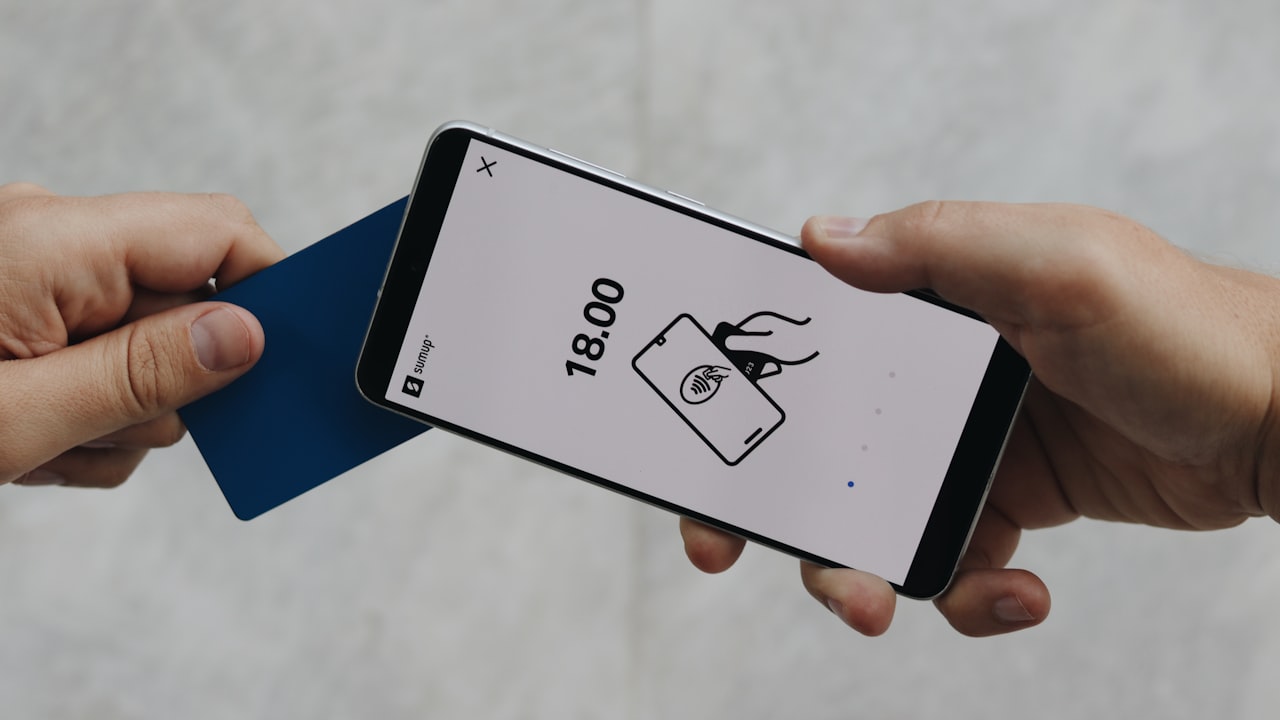
Physical crypto cards work identically to regular Visa debit cards. Tap your card at any contactless reader, insert it into a chip reader, or hand it to a cashier — the transaction experience is identical to any debit card. The merchant sees a standard payment authorization from Visa and has zero visibility into the crypto identity of the transaction.
Risk: ATM withdrawals incur a 2% fee on top of any ATM operator charges. If you withdraw $100 at an ATM with a $3 operator fee, you’ll pay $2 (the card’s fee) + $3 (ATM operator) = $5 total. This can add up if you withdraw regularly. Plan ahead and batch withdrawals to minimize fees.
Some cards offer cash-back rewards to offset ATM costs. For example, ether.fi Cash offers up to 3% cashback on everyday purchases, which can cover ATM fees over time if you use the card consistently for groceries, gas, and restaurants.
Watch: ATM fees may change; check your card’s help center before relying on ATM spending as a regular habit. Some card issuers have increased ATM fees from 1% to 2% in response to regulatory changes.
Signal: If you plan frequent ATM withdrawals, factor the 2% fee into your spending budget. For online-only shoppers, ATM fees are irrelevant — skip this concern entirely.
Maximizing Cashback While Spending Without Selling
One unique advantage of crypto cards is earning cashback on your spending — paid in crypto that stays staked. This “yield while spending” model is available on select cards and creates a genuine multiplier on your holding strategy.
Key metric: up to 3% cashback on all purchases.
To maximize your rewards:
- Use your card for everyday purchases (groceries, coffee, subscriptions, utilities) to hit the 3% baseline consistently. If you spend $1,000/month and earn 3% cashback, that’s $30/month or $360/year in cashback.
These rotate every quarter. If you can shift $500/month of dining spend to the promo period, you earn $75 instead of $15 — a 5× multiplier.
-
Check your card’s tier structure to see if upgrading unlocks higher spend limits or cashback rates. Core tier = $2,000/month; Luxe = $10,000/month; Pinnacle = $50,000/month.
-
Reinvest your cashback rewards into staking to compound gains. If you earn 3% cashback and your staking pool earns 2.5% APY, and you reinvest cashback, you’re stacking two yield layers simultaneously.
Alternative: If your primary goal is yield, compare crypto card rewards programs to ensure you’re using the highest-paying card for your spending profile. Some cards offer higher baseline cashback (up to 5%) but have lower promo rates, so the card that pays best depends on your spending pattern.
Common Scenarios: Spending Crypto Without Selling
Scenario 1: International Travel
When traveling abroad, use your crypto card for purchases in foreign currencies. You’ll pay the 0% FX fee (USD/EUR) or 1% for other currencies — often cheaper than bank wire fees, which run 1–3%, or ATM withdrawals, which charge 2–4% plus operator fees. Example: buying a €50 coffee in Paris costs €50 at the 0% rate (if your balance is in USD/EUR), plus processing fees. A bank wire conversion would cost you €1.50–€2.50 in spread alone.
Signal: Crypto cards are particularly useful for LATAM, Southeast Asia, and Eastern Europe travel, where bank wire spreads are highest (2–4%).
Scenario 2: Subscription Payments
Many subscriptions (Netflix, Spotify, Adobe Creative Cloud, GitHub Pro, cloud storage) accept Visa. Load your card balance and pay monthly without converting crypto to USD. This is elegant for crypto-native users who live mostly on-chain and only occasionally need fiat-pegged balances.
Scenario 3: In-Store Shopping
Tap your physical card at stores worldwide (76 countries support physical shipment). No seller knows you’re using a crypto card — it’s a standard Visa transaction. This unlocks grocery stores, restaurants, fuel stations, and retail chains globally.
Signal: ether.fi Cash is available in most US states (29 allowed, excluding 21 restricted states) and all EU countries except Netherlands, Finland, Estonia, and Hungary. Check country availability before signing up to confirm support in your region.
Important Disclosures & Risks
DefyCard publishes affiliate-linked reviews; we may earn a commission when you sign up through our links. Cryptocurrency is volatile — card cashback and rewards are paid in crypto, which may appreciate or depreciate after you receive them. This guide does not constitute investment advice. Crypto debit cards are not available in all countries or US states; check the issuer’s availability list before signing up. Certain countries (Russia, China, North Korea, Syria, Cuba, Venezuela, Iran, Myanmar) are prohibited from using crypto debit card services — this is a compliance requirement, not a recommendation. Always verify your local regulations before activating a crypto card.