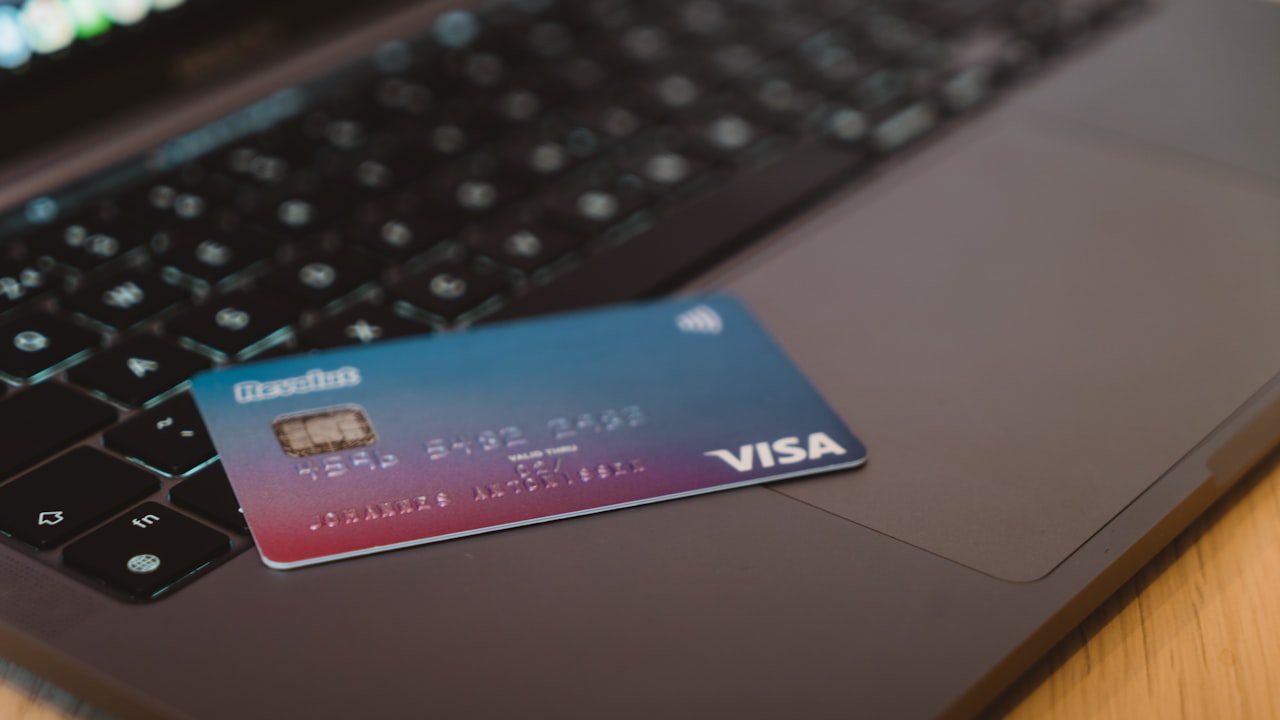
Funding your Bybit Card before spending is a required step—unlike traditional debit cards pulling from a linked account, crypto cards need explicit top-ups. Each method trades off speed, cost, and friction. Let’s walk through each.
How to Top Up Bybit Card via Bank Transfer
Bank transfers are the most familiar method for users with fiat accounts.
Steps:
- Open the Bybit app → Card or Wallet section.
- Select “Add Funds” or “Top Up Card.”
- Choose “Bank Transfer.”
- Receive account details (account number, routing, SWIFT).
- Initiate wire from your bank account.
- Wait 1–3 business days for settlement.
Signal: Bank transfers work best for large, infrequent top-ups ($1,000+). Wire fees ($15–$40) are absorbed; per-dollar cost is low. For frequent small deposits, stablecoin transfers are far cheaper.
Once cleared, your balance appears as fiat in Bybit’s wallet, ready to convert to a card-spendable stablecoin (USDT, USDC, or similar).
How to Add Stablecoin to Crypto Card
This is the fastest and cheapest method. Stablecoins arrive in minutes on optimized networks.
Step-by-step:
- In Bybit app, go to Wallet > Card > “Deposit.”
- Select the stablecoin (USDT, USDC, DAI, etc.).
- Choose the network (Ethereum, Polygon, Optimism, Arbitrum, etc.).
- Copy the deposit address.
- Send stablecoin from your wallet or exchange using that address and network.
- Confirm arrival in 1–5 minutes (network dependent).
Why it matters: Stablecoins skip the crypto-to-fiat step. You’re sending dollar-pegged assets the card spends directly, with no volatility between deposit and spending.
Risk: Choose the correct network. Sending USDT on Ethereum to a Polygon-only address results in a lost deposit. Always verify the network before sending.
How to Convert Crypto to Fiat on Card
If you hold volatile crypto (BTC, ETH, SOL) and want to spend USD or EUR equivalents, convert within the card app. This locks in the rate at that moment.
- In Bybit app, go to Wallet > “Convert” or “Exchange.”
- Select your crypto as the “from” asset.
- Select a stablecoin as the “to” asset.
- Enter the amount and review the exchange rate.
- Confirm the trade.
- The converted balance becomes card-spendable stablecoin.
Key metric: Crypto-to-stablecoin conversion fees are 0.1–0.5%, far lower than traditional brokers (1–2%).
After conversion, spend immediately. The stablecoin balance doesn’t fluctuate—your purchasing power is locked in.
Alternative: For crypto holders wanting yield without conversion friction, ether.fi Cash keeps your ETH staked while allowing direct card spending and up to 3% cashback.
Common Top-Up Issues and Fixes
Here are the most frequent blockers:
Bank transfer rejected or pending longer than expected.
- Some banks flag international crypto-linked transfers as high-risk. Contact your bank to whitelist Bybit’s account details, or switch to stablecoin deposits.
Stablecoin deposit not arriving after 30 minutes.
- Verify you sent to the correct address and network. Use a blockchain explorer (Etherscan for Ethereum, Polygonscan for Polygon) to confirm the transaction reached the blockchain. If it did, contact Bybit support with the transaction hash.
Conversion rate worse than expected.
- Bybit’s in-app rate pulls live market data. Compare it to Binance or CoinGecko just before converting. If Bybit’s rate is >0.5% worse, convert on an external DEX first, then deposit the stablecoin result.
Watch: Regulatory restrictions vary by region. Some countries have been added to Bybit’s restricted list. Before funding, verify your jurisdiction is still supported on the Deposits page.
Why Top-Up Method Matters
Your choice affects cost, speed, and tax compliance:
- Bank transfer: Slowest, simplest for large amounts, creates clear fiat→crypto trail for taxes.
- Stablecoin deposit: Fastest, cheapest, best for frequent micro-transactions.
- Crypto conversion: Introduces a taxable event. Keep detailed receipts (timestamp, rate, fiat value).
Choose based on your priority: speed (stablecoin), cost (layer-2 networks), or simplicity (bank transfer).
Minimizing Top-Up Costs
Use layer-2 networks (Polygon, Optimism, Arbitrum) for stablecoin deposits—fees drop below $1 vs. $5–$40 on Ethereum.
Batch transfers. One $1,000 deposit is cheaper per-dollar than ten $100 transfers (fixed wire fees absorbed into larger amount).
Avoid mid-market spreads by converting off-card first if possible. Card-native conversion includes a small markup.
Check promotional periods. Bybit occasionally runs zero-fee deposit campaigns visible in the app’s Promotions tab.
Comparing Bybit Card to Competing Products
Bybit Card serves Bybit-exchange users well. But crypto cards have evolved:
- Bybit Card: Best for Bybit users who want seamless fund management within one app.
- ether.fi Cash: Best for self-custody seekers who want yield (up to 3% cashback) while keeping ETH staked—no conversion required, no separate wallet balance.
- Crypto.com Card: Best for large CRO stakers seeking premium perks and benefits.
- RedotPay: Best for non-custodial advocates who want the card to pull directly from a personal wallet.
If managing exchange balances feels friction-heavy, ether.fi Cash removes the top-up step entirely—your staked assets automatically back card spending.
Tax Implications of Crypto-to-Fiat Conversion
In most jurisdictions (US, UK, EU, Canada, Australia), converting crypto to stablecoin or fiat is a taxable event—treated as a sale at fair-market value at the moment of conversion.
Required records:
- Timestamp of conversion
- Amount and asset sold
- Exchange rate at conversion time
- Fiat value equivalent
Keep these for your tax file. Crypto-focused tax software can import Bybit’s transaction history to simplify reporting.
What to Watch Going Forward
Network congestion and fees: Ethereum deposits can cost $5–$20 during peak hours (08:00–18:00 UTC). Use Polygon or Optimism, or time transfers for off-peak windows (22:00–06:00 UTC).
Regulatory tightening: EU (MiCA) and UK (FCA) have stricter crypto-card rules. Check Bybit’s compliance status in your region quarterly.
Competing product launches: Newer cards like ether.fi Cash are simplifying staking + spending without separate wallet balances. Compare features annually.
Stablecoin depegging events: While rare, USDT or USDC can briefly decouple from $1 during market stress. Avoid converting volatile crypto during depegging windows.
Future Crypto Card Trends
Top-up experience is improving across the industry:
- Integrated staking: Cards that let you stake and spend from the same balance (already live on ether.fi Cash).
- Multi-chain support: More cards will natively support Solana, zkSync, Starknet deposits.
- Embedded fiat on-ramps: Built-in bank integrations removing the need for external transfers.
- Yield while spending: The trend toward cards that earn passive returns (cashback, staking) while keeping assets self-custodied.
These features are becoming table-stakes. When evaluating a card, ask: does it support my preferred networks? Do I earn yield? Can I spend without friction?