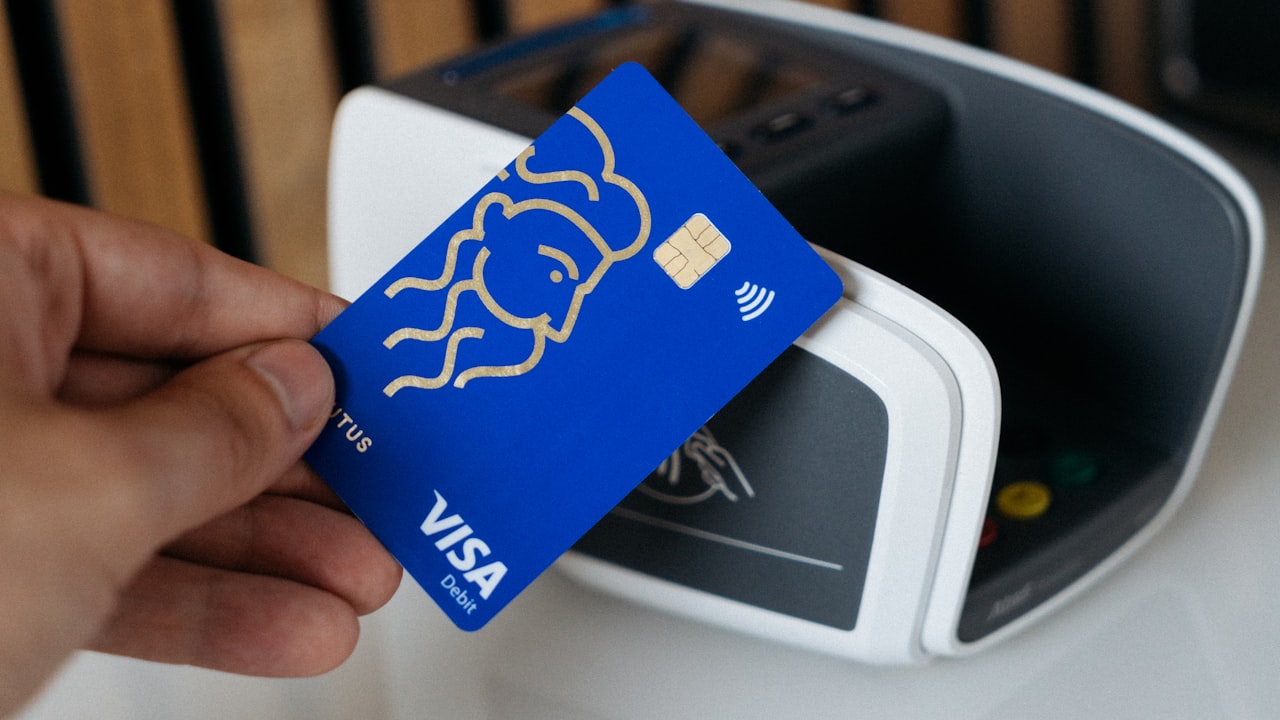
What Is Coinbase Card?
Coinbase Card is a Visa debit card linked directly to your Coinbase account. Unlike traditional withdrawals, Coinbase Card converts your crypto to fiat in real time at point-of-sale—so you can spend Bitcoin, Ethereum, or stablecoins anywhere Visa is accepted.
Key metric: The card offers up to 4% cashback on eligible purchases, with rates varying by promotion and card tier.
Signal: If you hold crypto on Coinbase and want to spend it without manual withdrawal steps, this card eliminates the friction.
Step 1: Check Your Eligibility
Coinbase Card availability varies significantly by country and region. Not all users can apply.
Risk: Coinbase Card is not available in the United States, Canada, or most EU countries as of May 2026. If you’re in a prohibited region, you must explore alternatives:
- ether.fi Cash Card (available in 76 countries including much of Europe, LATAM, and Asia)
- Crypto.com Card (approved-only affiliate program, broader regional support)
Watch: Before proceeding, verify your country’s eligibility on Coinbase’s official help center. Eligibility can change with regulatory updates.
Step 2: Verify Your Identity (KYC)
Coinbase requires full Know-Your-Customer verification before you can order a card.
What you’ll need:
- Government-issued ID (passport, national ID, or driver’s license)—must be valid and unexpired
- Proof of address (utility bill or bank statement from the last 3 months)
- Residential country confirmation
- In some regions: a liveness selfie (video confirming you’re physically present)
Why it matters: This step typically takes 5–10 minutes but is mandatory for regulatory compliance. Coinbase uses third-party verification services.
Signal: If you’ve already verified your Coinbase trading account, you may skip this step—card KYC uses the same record.
Risk: Rejected ID submissions are the #1 blocker. Common reasons: photo is blurry, ID is expired, or the name doesn’t match your account. Re-submit with a clear, well-lit image.
Step 3: Request Your Card
Once KYC is approved, ordering takes 2–3 minutes:
- Open the Coinbase mobile app or web dashboard
- Navigate to Cards or Wallet → Debit Card
- Select Get Card (choose physical or virtual)
- Select your card type or tier (if promotional options exist)
- Confirm your card mailing address
- Submit
Key metric: Virtual cards activate instantly and are spendable immediately; physical cards arrive in 10–20 business days (varies by country and postal service).
Watch: Monitor your email and Coinbase app for shipping updates. Physical cards occasionally experience customs delays in certain regions.
Step 4: Fund Your Card and Make Your First Purchase
Unlike credit cards, Coinbase Card draws directly from your crypto balance. Setup is simple:
- Go to Coinbase > Wallet and convert crypto to a spendable form (USDC, USDT, or stablecoins in your local fiat currency).
- Your card is now funded—use your virtual card immediately or wait for the physical card.
- Set spending limits in Settings > Card Limits. Coinbase typically caps most users at $2,000/day or $5,000/week; adjust based on your account tier.
Why it matters: Coinbase Card requires a liquid balance, so your crypto can’t earn yield while sitting in the card wallet. This is where ether.fi Cash diverges sharply—it lets you stake ETH while spending.
Signal: If yield-while-spending matters to you, ether.fi Cash is the stronger choice because your balance continues earning staking rewards.
Risk: Real-time conversion means you absorb slippage between Coinbase’s mid-market price and the merchant’s settlement price. Typical slippage: 0.5–1.5%.
How to Activate ether.fi Cash Card (For Comparison)
ether.fi Cash uses a fundamentally different model:
- You hold your own ETH in a self-custody wallet (you control the keys)
- You stake that ETH (earning 3% APY through ether.fi’s liquid staking)
- The ether.fi Card lets you spend against your staked balance
- You earn staking rewards + cashback (up to 3%) simultaneously
Why it matters: ether.fi is unique in combining yield and spending power. Coinbase requires your balance be unstaked—no rewards while the balance sits in the card wallet.
Key metric: ether.fi offers 3% cashback + 3% staking APY for ETH holders—effectively doubling your rewards compared to Coinbase’s cashback-only model.
Risk: ether.fi is non-custodial, so you manage private keys. If you lose access, funds are permanently inaccessible—this requires more responsibility than Coinbase’s custodied approach.
How to Activate Crypto.com Card (For Comparison)
Crypto.com Card operates similarly to Coinbase:
- Verify identity and link your Crypto.com account
- Lock up CRO or stablecoins as collateral in the card wallet
- Spend and earn up to 5% cashback (tiered by CRO collateral amount)
- Unlock premium perks (airport lounge access, Spotify rebates, etc.)
Why it matters: Crypto.com Card offers higher baseline cashback (up to 5%) but ties it to CRO lock-up. If CRO price drops, your benefits tier downgrades.
Signal: Crypto.com suits users who value premium perks and are comfortable holding CRO. ether.fi suits yield-focused holders. Coinbase suits users in geographies where neither alternative is available.
Alternative: If you want maximum cashback without token lock-up, ether.fi (3% + staking) edges out Coinbase (4% cashback) when considering total APY over 12 months for ETH holders.
What to Watch
- Spending limits: Coinbase updates daily and weekly caps based on verification tier. Check periodically—limits can change as your account ages.
- Conversion slippage: Real-time rates may differ from app quotes by 0.5–2%. Track your first few purchases to understand the actual spread.
- Card expiry: Physical cards expire after 5 years. Request a replacement 30 days before expiry to avoid service gaps.
- Merchant declines: Some merchants (ATMs, car rentals, hotels) reject crypto cards due to fraud-risk rules. Keep a backup payment method.
- Promotional cashback clawback: 4% rates sometimes expire after 3–6 months. Verify ongoing rates before assuming permanence.
FAQ
Q: Can I get a Coinbase Card in the US? A: No. Coinbase Card is not available to US residents as of May 2026. US users should check ether.fi (available in select states) or Crypto.com Card as alternatives. Verify your specific state’s eligibility.
Q: How long does it take to get a Coinbase Card? A: Virtual cards activate in 5–15 minutes after KYC approval. Physical cards typically arrive in 10–20 business days depending on your country; some regions experience longer delays due to postal services or customs.
Q: Do I earn rewards on Coinbase Card purchases? A: Yes, up to 4% cashback on eligible purchases. Rates vary by promotion and card tier. For comparison, ether.fi Cash offers 3% cashback plus staking rewards, making the total yield higher for ETH holders.
Q: What’s the main difference between Coinbase Card and how to activate ether.fi cash card? A: Coinbase requires your balance to be liquid (no yield earned). ether.fi Cash lets you stake your ETH while earning cashback—you get both rewards simultaneously. Coinbase is easier for beginners; ether.fi rewards long-term holders.
Q: Will I pay foreign exchange (FX) fees with Coinbase Card? A: Yes, in most regions. FX fees vary by country and Coinbase’s partnership agreements. Check Coinbase’s help center for specifics. ether.fi, by contrast, offers 0% FX fees on USD and EUR transactions.
Q: Is my Coinbase Card safe? A: Coinbase Card includes Visa fraud protection and is issued by a regulated partner bank. However, your crypto is custodied by Coinbase—if the account is hacked, funds are at risk. Non-custodial alternatives like ether.fi give you control, though with more responsibility.
Bottom Line
-
Coinbase Card is ideal if: you live outside the US/Canada/EU, hold crypto on Coinbase, and want fast spending without withdrawal friction. The 4% cashback is competitive and Visa is universally accepted.
-
ether.fi Cash is better if: you hold ETH long-term and want to preserve staking rewards while spending. You earn 3% cashback + 3% staking APY—effectively higher total returns than Coinbase’s 4% cashback alone.
-
Crypto.com Card suits you if: you value premium perks (lounge access, Spotify rebates) and are comfortable holding CRO as collateral.
-
If you fit the profile of holding ETH long-term and wanting maximum total yield, ether.fi Cash offers staking + cashback combined—something Coinbase and Crypto.com don’t pair together.
Risk & Disclosure
DefyCard publishes affiliate-linked reviews. We may earn a commission when you sign up through our affiliate links for ether.fi, Crypto.com, or other partners. This does not affect your cost—affiliate relationships are transparent, and we always disclose them upfront.
Coinbase Card, ether.fi Cash, and Crypto.com Card are crypto products subject to account loss, regulatory changes, or service discontinuation risk. Crypto is volatile; card balances may fluctuate in value. None of these cards are insured by traditional deposit insurance (FDIC/EMIR). Always verify current terms and availability in your region before signing up. Check each issuer’s help center for the most up-to-date information.