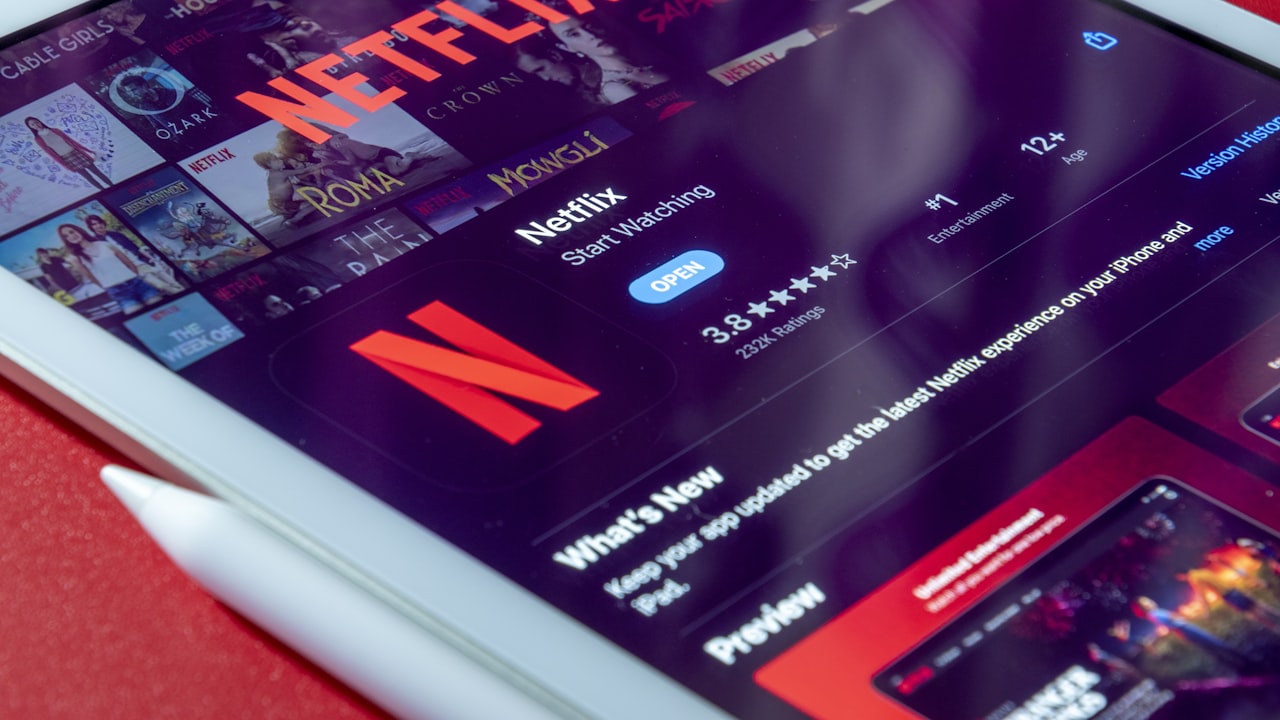
How Crypto Cards Work for Streaming Subscriptions
Signal: If you’re holding USDC or USDT in self-custody, a crypto card for Netflix turns idle stablecoins into active spending power without selling or paying conversion fees.
Most streaming services (Netflix, Spotify, Disney+, Apple Music) use recurring billing via credit or debit cards. A crypto card works exactly the same way—link it to your streaming account, and monthly charges process instantly. The difference: your funds come from your crypto wallet, not a bank account.
When you use ether.fi Cash, the transaction settles in milliseconds. Your stablecoin balance converts to fiat at point-of-sale, and the merchant receives USD or EUR. For streaming, this is nearly invisible to the user.
Why it matters: Netflix costs $6–23/month, Spotify Premium $12/month. Individually, cashback earnings are small (~$5/year per service). But the real value is efficiency—no conversion fees, no middleman bank, instant settlement. If you’re already holding crypto, spending directly via card makes far more sense than converting to fiat first.
Using a Crypto Card for Gas Station Fuel
Key metric: A crypto card for gas stations delivers the same 3% cashback as any purchase, plus 0% FX on USD/EUR transactions—but pump compatibility varies by region.
Gas pumps are trickier than Netflix. Most don’t accept contactless at the pump; some require chip read or PIN. Many crypto cards work fine, but older US pumps or rural stations may reject them. ether.fi Cash uses Visa rails, so global acceptance is broad—just verify compatibility at your local station.
Risk: Older pump hardware (rural US, some Middle Eastern stations) may decline non-traditional cards at the pump. Always carry backup payment. Additionally, gas prices fluctuate daily—a $0.01/gallon difference across multiple fill-ups can erase your 3% cashback gains, so treat the card as a convenience tool, not a savings vehicle.
Watch: Gas-station crypto spending is especially valuable in regions with volatile local currencies (LATAM, Eastern Europe, Turkey). A stablecoin-backed card eliminates currency-devaluation risk from fuel purchases.
Cashback & Rewards Breakdown
Here’s what you actually earn:
- Netflix: $15/mo × 12 = $180/year → 3% cashback = $5.40/year
- Spotify: $12/mo × 12 = $144/year → 3% cashback = $4.32/year
- Gas (US average): $150/mo × 12 = $1,800/year → 3% cashback = $54/year
Total: ~$64/year on these three categories alone.
Real-world users combining entertainment + groceries + dining + travel easily exceed $500/year.
Why it matters: Crypto-card cashback isn’t the primary value—spending crypto without selling is. Your ETH stays staked. Your USDC continues earning yield on-chain. You avoid the 1.5–2.5% loss when converting fiat→crypto→fiat. Over $10,000 in annual spending, this efficiency gap equals $150–250 in preserved capital.
ether.fi Cash lets you spend your holdings while keeping them self-custodial.
When a Crypto Card for Streaming Makes Sense
A crypto card is most valuable if:
Signal: You hold $5,000+ in crypto. Below this threshold, onboarding friction (KYC, physical card shipment, wallet setup) outweighs efficiency gains.
-
You already hold crypto long-term. Staking ETH or earning USDC yields? A crypto card is the efficient way to spend. No conversion, no slippage, no exchange fees.
-
You’re outside the US banking system. Residents of LATAM, Eastern Europe, or Southeast Asia often face banking restrictions or high FX fees. A stablecoin card bypasses all restrictions.
-
You spend $1,000+ monthly. Below that, the 3% cashback doesn’t offset onboarding friction.
-
You value transparency and self-custody. If you distrust centralized exchanges (Crypto.com, Coinbase), a non-custodial card keeps control in your hands.
Alternative: If you’re a casual spender (Netflix-only, no gas station spending), a traditional 2% flat-cashback credit card is simpler and requires no KYC.