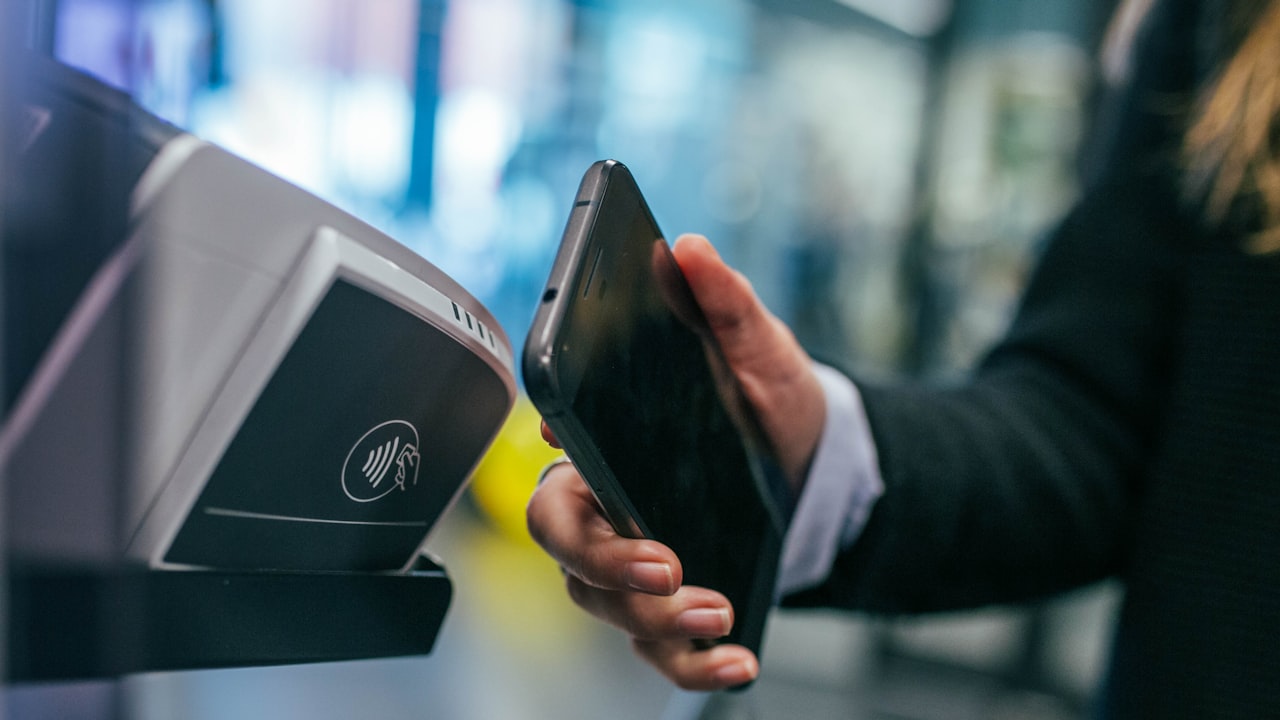
Why Multi-Currency Travel Breaks Traditional Finance
Traditional debit and credit cards charge 2–4% per foreign transaction. For a $10,000 three-month Southeast Asia trip, that’s $200–$400 in pure fees. Banks hide this in exchange-rate spreads: they quote an official mid-market rate, then quietly pocket the gap.
Signal: If you’re withdrawing cash or swiping plastic across borders multiple times per week, traditional cards cost more than your flights.
Why crypto cards differ: the blockchain doesn’t discriminate by geography. A USD stablecoin (USDC) or ETH is worth the same in Bangkok as San Francisco. The card issuer passes that price directly to you — no mid-market spread, no “international service fee,” no 3–4% invisible tax.
For Southeast Asia travelers, this is transformative. You can load USD or EUR into your wallet at home, then spend across Thailand, Malaysia, Indonesia, and Singapore without a single currency conversion — or convert locally only when you must, paying just 1% instead of the typical 3–4%.
The FX-Fee Math: Traditional vs. Crypto
Traditional card on a 30-day Southeast Asia trip:
- Bangkok (ATM arrival): $2,000 spend, 3.5% FX fee = $70
- Thailand → Malaysia border: $1,500 spend, 3.5% FX fee = $52.50
- Malaysia → Indonesia: $1,800 spend, 3.5% FX fee = $63
- Indonesia → Singapore: $800 spend, 3.5% FX fee = $28
- Singapore (exit, cash out): $900 spend, 3.5% FX fee = $31.50
- Total spend: $7,000 across 5 countries
- Total FX cost: $245
Same trip, ether.fi Cash:
- Load $7,000 USDC before departure: 0% FX
- Spend in all countries: 0% FX on USD holding
- Convert to local currency (minimal): 1% FX = $70
- Total spend: $7,000 across 5 countries
- Total FX cost: $70
Your savings: $175 over 30 days.
Key metric: That $175 is enough for 3–5 additional nights, meals, or experiences. Over a 3-month nomad stint, savings exceed $500.
Why it matters: Crypto cards don’t solve inflation or volatility, but they do eliminate the fee layer. In low-cost regions (SE Asia: $20–$50/night), every dollar saved extends your trip by days.
ether.fi Cash: Zero FX on USD/EUR
ether.fi achieves zero FX on major currencies because it’s non-custodial: you own your private keys; the card issuer doesn’t hold your USD. You deposit crypto (USDC, USDT, ETH) into your self-custody wallet, link it to the card, and spend. The blockchain settles the transaction; Visa handles the merchant conversion. No bank in the middle; no spread.
Structure:
- Up to 3% cashback on every purchase globally.
- 0% FX on USD and EUR — you spend at true mid-market rates.
- 1% FX on all other currencies (JPY, THB, MYR, IDR, SGD) — still a third of traditional-card cost.
- $40 refundable deposit for physical card (Core tier); Pinnacle tier gets expedited shipping (1–3 days).
- Virtual card instant — start spending within hours of approval.
Signal: For a Southeast Asia traveler, the 0% FX on USD/EUR + 3% cashback means you recoup your card deposit in approximately $1,300–$1,500 of spend. After that, every transaction is pure upside.
Alternative: Crypto.com and RedotPay offer custodial setups (easier onboarding, lower KYC friction), but they hold your private keys, introducing counterparty risk. If non-custodial security is your priority, ether.fi is strongest in Southeast Asia. If onboarding speed matters more, consider Crypto.com — it’s available in more countries but charges 1–2% FX on non-home-currency spend.
Southeast Asia & Thailand: Where the Card Works
ether.fi Cash is officially available for account opening and physical card shipment in Thailand, Singapore, Malaysia, Indonesia, and Hong Kong.
Important: Vietnam, Philippines, and India are on ether.fi’s prohibited list — the card will decline transactions there, and new accounts cannot open from those jurisdictions. If your trip includes these countries, bring a secondary card.
Thailand (primary hub):
Thailand is ether.fi’s strongest Southeast Asia market. Account opening is fully supported (KYC: passport + selfie + phone number). Physical card ships in 15 business days standard; Pinnacle tier: 1–3 days. Thai baht (THB) conversion happens at 1% FX, significantly better than traditional cards (3–3.5%).
ATM withdrawals work throughout Thailand (Bangkok, Phuket, Chiang Mai, Pattaya) — the card is Visa, so any Visa-marked ATM accepts it. Note: ATM withdrawals carry a 2% fee (standard Visa), so prefer card-present spending when possible. For large withdrawals, the per-dollar cost is lower.
Signal: Thailand is the safest bet for ether.fi Cash in Southeast Asia. If you’re basing a 1–3 month trip there, open an account 4–6 weeks beforehand to allow KYC review and physical-card delivery.
Singapore and Malaysia (second-tier support):
Both support ether.fi account opening and physical card issuance. Singapore is crypto-native (strong fintech ecosystem), so adoption is highest. Malaysia is slightly more restrictive under Bank Negara regulations, but ether.fi has explicit country-level approval.
Indonesia (emerging tier):
Indonesia recently joined the supported shipment list. Account opening is live; physical card delivery may take 20–25 business days (regional logistics). KYC is straightforward (ID + selfie).
Risk: If planning a 2–3 month visa run across Vietnam → Thailand → Cambodia → Laos, note that Vietnam and Cambodia are NOT supported. You’ll need a backup card (Crypto.com) or traditional card for those legs. Multi-card planning before departure is essential.
Practical Multi-Currency Scenarios
Scenario 1: Bangkok nightlife + Phuket island hopping
You arrive in Bangkok with $5,000 USDC loaded into your ether.fi account. Day 1: hotel in USD (0% FX), food (0% FX), nightlife (0% FX). Day 4: fly to Phuket, repeat. No currency conversion required; no fees.
After 7 days, you’ve spent $1,200 and earned $36 in 3% cashback — essentially a free night’s accommodation.
Scenario 2: The visa-run circuit (Thailand → Malaysia → Indonesia)
Three-country stamp collection. You keep $5,000 USD, $2,000 EUR (digital-nomad communities quote in EUR). In Thailand, spend USD (0% FX). Cross to Malaysia, spend USD (0% FX, both card and local exchange). Hop to Indonesia, identical experience. The card works identically in each country; FX cost stays zero on your primary currencies.
Why it matters: Traditional multi-currency travelers pre-exchange cash per country and manage float (leftover local currency). With a crypto card, you convert once at home (where rates are best) and let the blockchain handle it. No cash float, no bank queues, no money-changer negotiation.
Scenario 3: Regional business / nomad house costs
You’re renting a house in Chiang Mai ($800/month), paying co-working in Bangkok ($150/month), and occasionally flying to Singapore ($200 flight). Landlord wants baht (THB). Co-working takes USD. Airline quotes USD. ether.fi handles all three:
- Landlord: convert USD → THB at 1% (better than your bank’s 3.5% weekend rate).
- Co-working: USD spend, 0% FX, +3% cashback (~$5 back/month).
- Airline: USD spend, 0% FX, +3% cashback.
Over a year, that’s $100–$150 in recovered fees + cashback, plus peace of mind that your primary assets stay in stablecoin (lower volatility than ETH).
What to Watch
- ETH volatility: Cashback is paid in crypto (SCR or partner assets). If you withdraw immediately, rates fluctuate. Holding 30–90 days lets volatility work in your favor — but it’s a variable income stream.
- KYC timing: If opening an account for a trip, apply 4–6 weeks beforehand. Approvals take 5–10 business days; physical card shipping adds 2–3 weeks.
- ATM limits & fees: ether.fi doesn’t publish daily ATM withdrawal limits; test with a small $50–$100 withdrawal first. ATM fee is flat 2%, so large cash-outs are cheaper per-dollar than daily small withdrawals.
- Prohibited-country blockers: Spending in Vietnam, Philippines, or India will decline. Have a backup card for these legs.
- Regulatory shifts: ether.fi operates under MiCA (EU) and ASEAN guidelines. Thailand’s fintech posture has been permissive historically, but monitor announcements — changes could affect new account openings or spending limits within 2–3 months.
Bottom Line
- If you fit this profile: You’re traveling Southeast Asia for 2+ weeks, spending in multiple countries, you want to minimize currency-conversion fees, and you’re comfortable holding crypto (USDC is low-volatility). ether.fi Cash pays you back — literally, in cashback — every time you swipe.
- The numbers: Save $175–$500 in FX fees over one month-long trip, plus earn 3% cashback ($150+ per month on $5,000 monthly spend). The math is unambiguous.
- Next step: Open an ether.fi Cash account today via DefyCard, verify your identity (passport + phone), and request the physical card. Arrive in Thailand with funds pre-loaded in USDC.
FAQ
Do I need to own crypto before I sign up?
No. You can open an ether.fi Cash account even if you've never touched crypto. When you're ready to load funds, you'll convert fiat (USD, EUR) to USDC via an on-ramp partner (e.g., Transak, Ramp). This incurs a one-time 1–2% conversion fee, but after that, zero FX fees. If this feels friction-heavy, Crypto.com (custodial) has simpler onboarding.
Will my card work in Bangkok and Phuket ATMs?
Yes. ether.fi Card is Visa, so it works in any Visa-marked ATM globally. Thailand has abundant ATMs. Withdrawal fee is 2% flat (standard Visa). For $500 withdrawal, that's $10. For $2,000 withdrawal, it's $40. Large withdrawals are cheaper per-dollar; smaller, frequent withdrawals cost more. Plan accordingly.
What if my card is swiped in a prohibited country (Vietnam, Philippines)?
The transaction will decline. ether.fi has a transaction-level block for prohibited countries. You'll need a secondary payment method (backup card, cash, peer-to-peer transfer). Don't rely on ether.fi alone for a multi-country trip that includes Vietnam or Philippines.
How does the 3% cashback work on food spending?
ether.fi offers up to 3% base cashback on all purchases. This is not guaranteed; it varies by quarter. Don't plan your trip around promos, but if you time your arrival during a food-bonus period, that's free padding.
Can I load multiple stablecoins (USDC, USDT)?
Yes. Your ether.fi account can hold multiple assets. You can deposit USDC, USDT, ETH, or other supported assets into your wallet, and the card will spend from any of them. Conversion between stablecoins happens on-chain; use a DEX (Uniswap) if needed. Most travelers use just USDC or USDT for simplicity.
Do I need to file tax documents for cashback earned while traveling?
Possibly. Crypto earnings (including cashback) are taxable in your home country. If you're a US resident, report on Form 8949/Schedule D. If you're a non-resident (pure nomad), tax rules vary by jurisdiction. Consult a crypto-savvy accountant before your trip if you expect significant cashback.
Risk & Disclosure
DefyCard publishes affiliate-linked reviews; we may earn a commission when you sign up through our links (ether.fi referral commission: up to 1% of your lifetime qualifying spend). This does not affect your pricing.
Crypto assets (including stablecoins) are volatile and carry regulatory risk. ether.fi Cash is not available in all countries; Vietnam, Philippines, and India prohibit the card’s use. Spending in prohibited countries will be declined. ether.fi operates under MiCA regulations in the EU; US residents should verify that ether.fi is not available in 21 US states (AZ, DE, GA, ID, LA, MD, MS, MO, MT, NV, NM, ND, OH, OR, RI, SD, TN, VT, WA, WI). Before opening an account, verify your country/state eligibility at ether.fi help center.
Non-custodial (self-custody) cards require you to manage your own private keys. If you lose your seed phrase, you lose your funds. Use a hardware wallet or trusted key-management solution. Never share your private key with anyone, including ether.fi support staff.