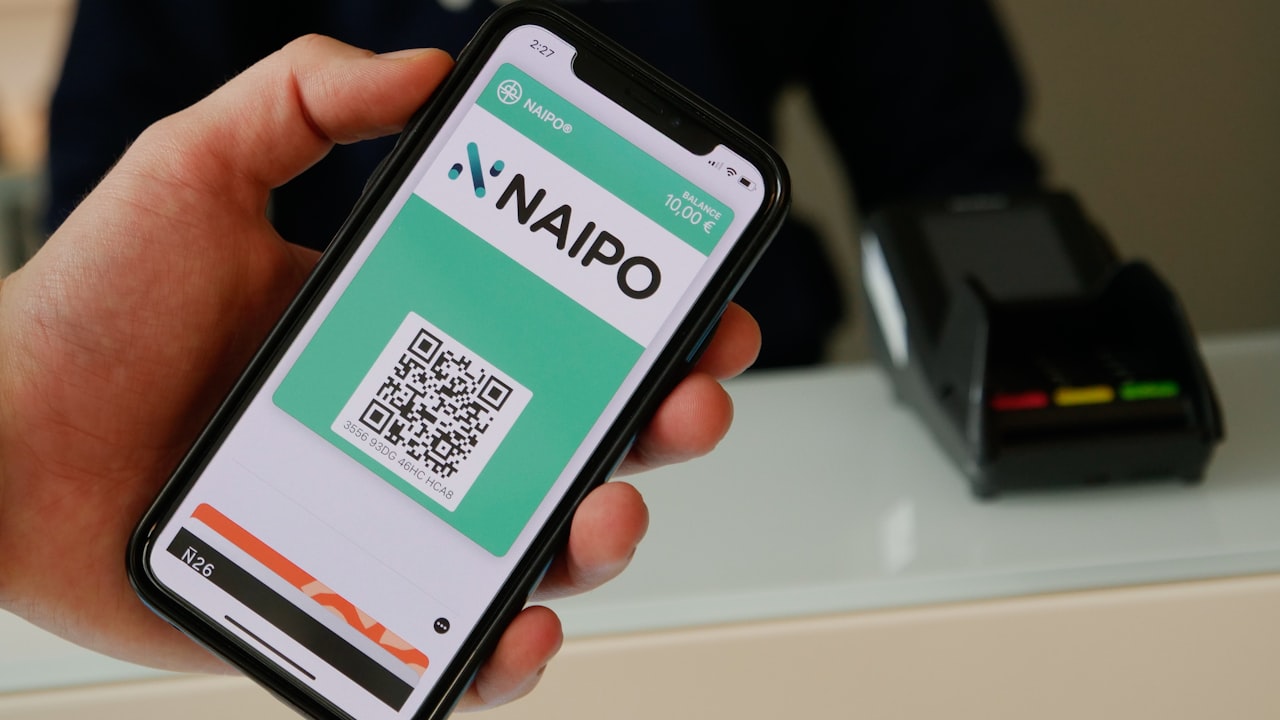
Why Crypto Cards Work for B2B Payments
Crypto cards bridge on-chain assets and real-world business expenses. Instead of converting ETH to stablecoin to fiat to bank wire—each step costing 1–3%—you spend directly. For small businesses receiving crypto from clients, this eliminates middlemen.
Three reasons crypto cards matter for B2B:
- No FX markup on international payroll. 0% on USD/EUR (ether.fi) vs 1.5–2% on traditional cards.
- Non-custodial = no account freezes. Your ETH stays in your wallet, staked, earning yield. No compliance hold-ups.
- Instant settlement for borderless teams. Pay contractors, vendors, and offices worldwide in minutes, not days.
Signal: If your business invoices in crypto, a crypto card eliminates the ‘convert-first’ friction that costs time and fees.
ether.fi Cash for Small Business & Crypto Traders
ether.fi Cash is non-custodial—your ETH stays staked while you spend. For businesses or traders holding long-term crypto, this is critical: you keep earning staking yield while paying operational costs.
Key metric: Up to 3% recurring cashback on all eligible spend.
For a $50,000/month Pinnacle business, that’s $1,500/month cashback—effectively 0.3% of revenue back as working capital. On top of zero FX fees, a crypto-native business can save 10–15% annually vs traditional payment rails.
Why it matters: Cashback compounds. Even a small crypto-earned freelancer at $5,000/month spend captures $150/month at 3%—$1,800/year—just for using the right card.
Risk: Monthly spend limits reset on the 1st. If your business is seasonal or you hit $50k mid-cycle, you can’t spend more until month-end. Plan payroll and supplier payments around this edge.
Watch: Pinnacle tier ships physical cards in 1–3 business days (vs 15+ for Core). If you need instant access for international payroll, Pinnacle justifies its higher deposit.
ether.fi vs Competitors for Business Use
ether.fi Cash:
- Cashback: 3%
- FX fee: 0% USD/EUR, 1% other
- Monthly limit: $50k Pinnacle
- Custody: Non-custodial (ETH stays in wallet)
- KYC speed: 1–2 hours
- Best for: Crypto-earned freelancers, traders, teams that stake ETH long-term
Crypto.com:
- Cashback: Up to 1% (requires CRO lock)
- FX fee: 1.5% typical (varies by tier)
- Monthly limit: $500k+
- Custody: Custodial (assets held at Crypto.com)
- KYC speed: 24–48 hours
- Best for: High-volume spenders; less concerned with on-chain assets
Coinbase Card:
- Cashback: Up to 1% (all spend)
- FX fee: 1.5% (no 0% option)
- Monthly limit: $20k typical
- Custody: Custodial
- KYC speed: 24–48 hours
- Best for: US-only users, smaller businesses, Coinbase ecosystem
Signal: If FX costs matter (international payroll), ether.fi’s 0% on USD/EUR wins. If you need $50k+/month spend with no ceiling, Crypto.com is larger. If you prioritize non-custodial + yield, ether.fi is the only choice.
Monthly Tier Selection for B2B
Core tier ($2,000/month): Solo freelancers, gig workers, solopreneurs. First physical card free.
Luxe tier ($10,000/month): Small teams (2–5 people), freelance agencies, small startups. $20 physical card deposit.
Pinnacle tier ($50,000/month): Crypto-native companies, trading operations, teams with 5+ members paying salaries entirely in crypto. $40 physical card deposit.
The jump from Luxe to Pinnacle is worth it if your monthly B2B spend exceeds $8,000 regularly. On $10,000/month at 3%, you earn $300/month cashback—that alone offsets the higher deposit requirement.
Key metric: Pinnacle’s $50,000 monthly limit is 5× Luxe. If you’re projecting growth or seasonal spikes, locking in Pinnacle early prevents mid-cycle surprises.
Why it matters: You can’t upgrade mid-month. If you hit your tier’s limit on day 15, you fall back to slow bank transfer or off-chain swap until monthly reset. For operational continuity, choose the tier covering your average spend with 20–30% headroom.
Tax, Accounting & Compliance for B2B Crypto Card Spend
Using a crypto card triggers a taxable event in most jurisdictions. Each transaction counts as a disposal of that crypto asset—you must track:
- Cost basis (what you paid for the ETH/USDC)
- Fair market value at time of spend (not historical; current spot price on transaction date)
- Business purpose (materials, payroll, rent, meals)
For a $50,000/month business, this is dozens of taxable events monthly. Your accountant must reconcile card spend against blockchain records.
Risk: ether.fi’s transaction export is convenient, but prices may lag chain data. Your CPA should independently verify FMV via a price oracle (CoinMarketCap, CoinGecko) at transaction timestamp.
Watch: US businesses file Form 8949 (Sales of Assets) + Schedule C (Self-Employment Income). UK businesses file Capital Gains Tax (CT600) + Self Assessment. EU businesses face MiCA compliance if issuer is registered. Always verify your country’s treatment—crypto taxes are still evolving.
Alternative: Some businesses use a separate business wallet for card funding, segregating business spend from personal holdings. This simplifies tax categorization and audits.
Tier Comparison: Spend Limits & Shipping Speed
All ether.fi tiers share the same 0% FX on USD/EUR and 3% cashback. The difference is monthly spend ceiling:
- Core: $2,000/month. First card free. Deposit refundable. Good for testing. Physical ships in 15+ days.
- Luxe: $10,000/month. $20 physical card deposit. Physical ships in 7–10 days.
- Pinnacle: $50,000/month. $40 physical card deposit. Physical ships in 1–3 days (expedited).
For B2B, Pinnacle’s 1–3 day shipping is game-changing. International payroll waits for no one. If your business spans time zones, expedited physical card means suppliers and teams get paid same-day.
On $50,000/month, even a seasonal peak of 2 months justifies Pinnacle: $3,000 earned cashback over 2 months vs $200 deposit = 15× ROI.
Getting Started: Action Items for B2B Crypto Card Adoption
- Determine your monthly spend. Do you consistently exceed $10k? If yes, Pinnacle pays for itself in cashback.
- Verify country availability. ether.fi operates in 76 countries, excluding 20 restricted regions (China, Russia, India, parts of EU, some US states).
- Set up business accounting. Link your crypto card to accounting software (QuickBooks, Xero, Wave) so spend categorizes automatically.
- Prepare KYC documents. Passport/driver’s license + selfie (liveness). KYC takes 1–2 hours.
- Fund your card. Transfer stablecoins or ETH. Non-custodial means your assets stay in your wallet until you spend.
- Sign up for ether.fi Cash today:
Risk + Disclosure
DefyCard publishes affiliate-linked reviews; we may earn a commission when you sign up through our links. Crypto-asset prices are volatile—any crypto you hold or spend via card may fluctuate sharply, affecting your cost basis and tax reporting. ether.fi Cash is available in 76 countries and prohibited in 20+ regions (including China, Russia, India, and select US states). Verify eligibility in your country before applying. Non-custodial cards carry custody risk—if you lose private keys, funds are unrecoverable. Always keep backups and use hardware wallets. Tax and financial advice in this article is informational only; consult a professional accountant or tax advisor in your jurisdiction.