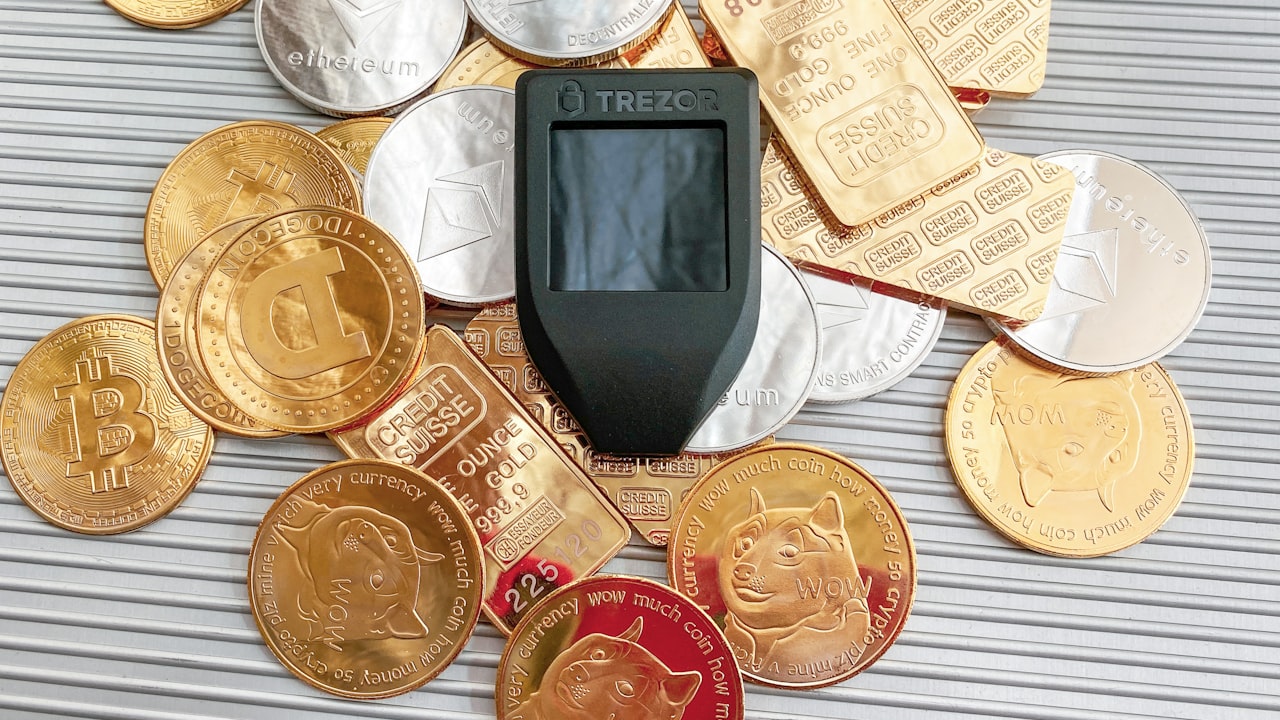
Why Advanced DeFi Users Need Non-Custodial Spending
Most DeFi users face a classic friction: your yield-earning crypto lives in self-hosted wallets or protocols, but spending it requires bridging to a centralized exchange—a process that costs fees, time, and privacy. A traditional crypto card sidesteps this by holding your crypto in a custodial account, but then you’ve surrendered the very sovereignty you came to DeFi to reclaim.
Non-custodial cards solve this paradox. Your crypto card for self-custody keeps crypto in your wallet while a Visa processor handles the spending side. ether.fi Cash is a leading example: you link your self-hosted Ethereum wallet, load it with stETH or ETH, and spend via a physical or virtual Visa card. Your holdings never leave your control.
Why it matters: You earn staking yield or DeFi protocol yield on the same ETH you use for everyday purchases—no withdrawal, no lockup, no delay. Spend coffee in the morning; your stake compounds in the background.
Self-Custody + Cashback: The DeFi Advantage
Custodial crypto cards (Crypto.com, Coinbase Card, Binance Card) hold your crypto in their accounts. You trade sovereignty for convenience—the issuer can freeze funds, you have no control if they’re hacked, and regulatory pressure can lock your balance.
Traditional debit cards earn you nothing; your bank holds your money and keeps the yield.
A crypto card for self-custody flips this model: you keep your private keys, earn yield on your holdings, and receive cashback on card spending. It’s the intersection of DeFi principles and real-world utility.
Signal: If you currently hold crypto in a self-hosted wallet and have paid fees to move it to a CEX just to spend, this card eliminates that friction—no trades, no gas fees, no intermediary.
ether.fi Cash pairs this model with a $40 refundable deposit for the physical card (free virtual), up to 3 % cashback, and 0 % FX fees on USD and EUR. For self-custody purists, there’s no requirement to deposit crypto with the issuer—your wallet remains your vault.
Privacy Without Compromise
Advanced users often prioritize privacy for legitimate reasons: regulatory uncertainty, personal security, and resistance to financial surveillance. Custodial cards weaken your position—they log your wallet identity, your spending patterns, and your holdings in company databases.
A crypto card for privacy built on non-custodial infrastructure changes this: the card issuer sees only card transactions, not your wallet balance or on-chain activity. Your staking, yield farming, or token hodling is invisible to them.
Risk: KYC (Know Your Customer) is still required to activate the card and comply with financial regulations. Once the card is live, on-chain transactions from your wallet are private—but the issuer knows your legal identity tied to the card.
Why it matters: You’ve regained on-chain privacy while meeting regulatory requirements at the card level. A meaningful trade-off for users who value both compliance and confidentiality.
Earning While You Spend
The math is compelling. Assume you hold $10,000 in staked ETH earning 2 % APY. That’s $200/year in yield. Additionally, if you spend $1,000/month on the card at 3 % cashback, that’s $30/month or $360/year.
Total earnings: $560/year on $10,000 in holdings, while spending normally and keeping full self-custody.
Key metric: Every $1,000 spent earns $30 cashback + your underlying ETH still compounds. You’re not trading yield for spending utility; you’re stacking both.
No lockups, no trading fees, no rate cliffs. Just normal card usage.
What Separates This From Custodial Cards
Custody & Control:
- Custodial (Crypto.com, Binance): Issuer holds your crypto. You receive card spending in fiat or stables.
- Non-custodial (ether.fi Cash): You hold your crypto. Card issuer bridges spending without taking possession.
Yield:
- Custodial: You lose access to your crypto’s earning potential while it’s on the card.
- Non-custodial: Your crypto continues earning (staking, protocol rewards) while the card works independently.
Privacy:
- Custodial: Issuer sees wallet balance, on-chain history, holdings.
- Non-custodial: Issuer sees only card transactions, not your wallet or protocol activity.
Regulatory Risk:
- Custodial: High—if the issuer is compromised or shut down, your crypto is at risk.
- Non-custodial: Lower—your crypto is in your wallet; the card is separate infrastructure.
Alternative: If you prioritize extreme on-chain privacy and are in the EU or Brazil, Gnosis Pay uses a similar non-custodial model (though it’s more B2B-focused and requires routing through Zeal or Picnic integration).
Practical Use Cases for Advanced Users
Yield Farmers: You’re running positions across Aave, Curve, or Lido. You need access to spending without liquidating or bridging. A non-custodial card lets you spend yield directly without breaking your positions.
Privacy-Conscious Hodlers: You’ve been holding through bear markets and don’t want to touch Coinbase or Kraken. A non-custodial card lets you spend while maintaining off-exchange privacy.
Multi-Chain DeFi Architects: You hold assets on Ethereum, Arbitrum, and Polygon. ether.fi Cash (on Scroll) is Ethereum-native, but you can bridge or use as a core spending layer for your ETH portion.
Tax-Efficient Traders: Non-custodial cards can simplify tax tracking—you control the wallet, you manage the ledger, no third-party reporting surprises.
Signal: The card works best for users who already hold significant crypto and are looking for a spending outlet, not a primary wealth storage solution.