How Crypto Cards Work Offline
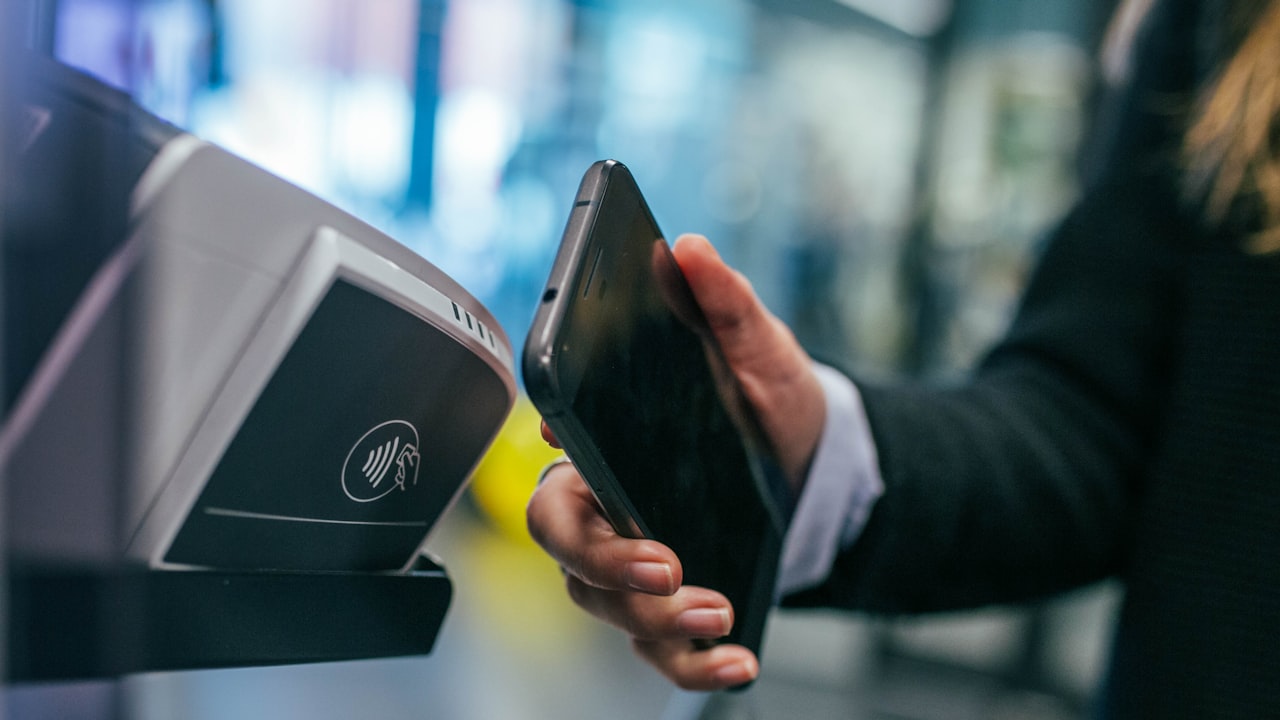
Crypto cards operate on the Visa or Mastercard network, the same infrastructure that powers traditional debit and credit cards. When you swipe or tap your crypto card at a merchant terminal, the transaction is processed through these established payment networks—not through blockchain. This means your card doesn’t need an internet connection to complete the sale at the point of purchase.
Signal: If you’re asking “can I use a crypto card without internet,” the answer for in-person purchases is yes. Your card works offline because the Visa network has been designed for decades to handle offline transactions, storing transaction data locally on your card and syncing later when a connection is available.
The merchant’s terminal sends a request to Visa to authorize the amount. If your balance is sufficient, the transaction is approved—whether you have a personal internet connection or not. The Visa network itself is always online, coordinating with banks and payment processors behind the scenes.
When You Need Internet for Crypto Cards
While your crypto card can complete a purchase offline, there are several situations where an active internet connection becomes essential:
Top-ups and balance transfers require internet because you’re moving crypto from your self-custody wallet (on-chain or exchange) to the card’s balance. This requires a live blockchain or exchange API connection. You can’t top up without confirming the transaction on the internet.
KYC verification and account setup happen online during the signup flow. All regulated crypto cards require identity verification—photo ID, liveness check, address confirmation—and this happens entirely in the app via internet.
PIN setup and security changes typically require an app connection to lock in new security settings. Some cards allow offline PIN entry at ATMs, but setting a PIN for the first time usually needs a connection.
Why it matters: Many users assume “crypto card” means “fully offline payments.” In reality, the card itself is a Visa or Mastercard product. The crypto part (the self-custody angle, earning yield) happens before you swipe—and that requires internet.
Will My Bank Block Crypto Card Top-Ups?
One of the most common friction points: you buy crypto, you load your card balance, and your bank declines the transaction. Understanding why helps you avoid delays and plan around potential blocks.
Banks sometimes block crypto card top-ups because:
- Regulatory uncertainty: Many banks classify crypto exchanges as high-risk merchants, even though the top-up itself is just a transfer to a Visa card.
- Transaction velocity: Multiple top-ups in quick succession can trigger fraud alerts.
- Exchange reputation: If your bank has a poor view of the crypto exchange you’re sending from, they may block the transfer.
- Jurisdiction rules: Some regions have stricter policies on bank-to-crypto flows.
Will my bank block crypto card top up? The answer depends on:
- Your bank’s explicit policy — some banks state “no crypto exchanges,” others decline silently until a transaction fails.
- The exchange you’re using — Coinbase, Kraken, and Binance are more widely accepted; smaller exchanges face more friction.
- Your transaction history — regular users with stable patterns face fewer blocks than sudden activity.
- Your bank’s geography — UK and EU banks have more standardized crypto policies (thanks to MiCA and FCA guidance); US banks vary widely by state.
Risk: If your bank blocks the top-up, you’ll see the decline immediately, but the crypto may be locked temporarily pending the failed transaction to clear. Plan ahead by testing with a small amount first.
The best workaround: use a peer-to-peer exchange or a custodial wallet (like Coinbase) to move crypto into your self-custody wallet first, then top up the card. This breaks the direct bank-to-exchange link that some banks scrutinize.
Why Does Crypto Card Need KYC?
Every regulated crypto card requires KYC (Know Your Customer) verification. This is not unique to ether.fi Cash or any single issuer—it’s a global regulatory requirement for any financial product that touches fiat currency.
Why does crypto card need KYC?
- Anti-money laundering (AML) — governments require financial institutions to verify that customers aren’t using the system for illegal activity.
- Tax reporting — fiat transactions must be logged and tied to a real person for tax authorities.
- Fraud prevention — KYC reduces account takeover and identity theft on payment cards.
- Regulatory compliance — MiCA (EU), FinCEN (US), and similar bodies mandate KYC for any payment product touching fiat.
The card you use is issued by a licensed payment processor, not directly by a crypto protocol. That issuer must comply with local financial regulation—which means your ID, liveness check, and address verification happen before activation.
Key metric: KYC typically takes 5–15 minutes for most users; very rarely 1–2 business days if additional verification is needed.
Some users ask: “Can I use a crypto card without KYC?” No—any card that can spend fiat currency (your top-up balance) is subject to KYC. You can hold crypto in a self-custody wallet without KYC, but the moment you want to spend it via a debit card or on-ramp, identity verification is required.
Crypto Cards vs. Traditional Debit Cards: Internet Dependency
There’s often confusion: “Aren’t all cards offline-capable?” Yes, but with caveats.
Traditional bank debit cards work offline after you’ve activated and funded them. The bank already has your identity, and transactions are processed through networks the bank controls or partners with directly.
Crypto cards add a layer: your balance is tied to a self-custody wallet or exchange account outside the traditional banking system. To top up, you must send crypto across the internet. To set up the card, you must complete KYC (online). To manage your balance, you use an app (online).
Once the card is loaded and you’re at a merchant terminal, yes—you can tap without internet. But the prerequisite steps are internet-heavy.
What to Watch
- Bank policy shifts — Some major US banks are softening their stance on crypto exchanges; monitor your bank’s website for updated guidance.
- Regional regulation — MiCA (EU) and forthcoming US rules may simplify or tighten KYC and top-up pathways.
- ATM networks — Some ATMs are rolling out real-time internet checks for all withdrawals; this could affect offline ATM use.
- Card activation timelines — KYC verification speeds are improving; check your issuer’s current average.
Bottom Line
- Yes, you can use a crypto card offline — at the point of sale. In-person Visa purchases don’t require internet because the Visa network is always online.
- No, you can’t top up without internet — moving crypto to your card requires an active connection.
- Yes, crypto cards need KYC — regulatory requirement for any card that spends fiat; no way around it.
- If you fit the profile of someone who travels, trades frequently, or lives where banks scrutinize crypto, test your bank’s top-up policy before relying on a crypto card as your primary spending tool. [
](https://www.ether.fi/@defycard)
FAQ
Q: Can I use my crypto card at an ATM without internet? A: In most cases, yes. ATM transactions are processed offline the same way point-of-sale purchases are. Your card stores your balance and the ATM terminal communicates with the Visa network directly. However, some newer ATMs may require an online verification step. If an ATM declines your withdrawal, try another machine or check your balance in the card’s app when you’re back online.
Q: Do I need internet to set my PIN or unlock my card? A: Most crypto cards require internet to set your initial PIN during signup or reset it if forgotten. However, once your PIN is set, you can use it offline at ATMs and point-of-sale terminals. Check your card issuer’s app to confirm if PIN resets require internet.
Q: What happens if the internet goes down during my purchase? A: If you’re at a merchant and the internet goes out, your transaction will still go through—the Visa network handles offline transactions. The merchant’s terminal stores the transaction data locally and syncs when connectivity returns. You won’t see the charge in your app immediately, but it will appear within minutes once the terminal reconnects.
Q: Can I top up my crypto card without internet? A: No. Topping up requires an internet connection on your phone or computer to authorize the crypto transfer from your wallet or exchange to your card balance. This is true for all crypto cards because the transaction must be confirmed on-chain or by your exchange.
Q: Why does my crypto card need KYC if I’m spending my own money? A: KYC is a global financial regulation, not a choice by the card issuer. Any payment card that handles fiat currency must comply with anti-money laundering and tax-reporting laws. This is the same requirement traditional banks have always enforced.
Q: Will banks block my crypto card top-ups? A: Some banks do block transfers to crypto exchanges, even for payment-card top-ups. This depends on your specific bank’s policies, the exchange you’re using, and your transaction history. Start with a small test transfer. If it’s declined, try a different bank account or exchange, or use a peer-to-peer wallet service.
Risk & Disclosure: DefyCard publishes affiliate-linked content; we earn a commission when you sign up through our links, at no extra cost to you. Crypto assets are volatile—the value of your card balance may fluctuate based on the crypto you hold. Always verify your card issuer’s current KYC and top-up policies on their official site, as these may change. Bank policies on crypto transactions vary by institution and jurisdiction; contact your bank if you’re uncertain about top-ups. Internet connectivity and ATM availability vary by region—plan accordingly if you travel or live in areas with limited infrastructure.