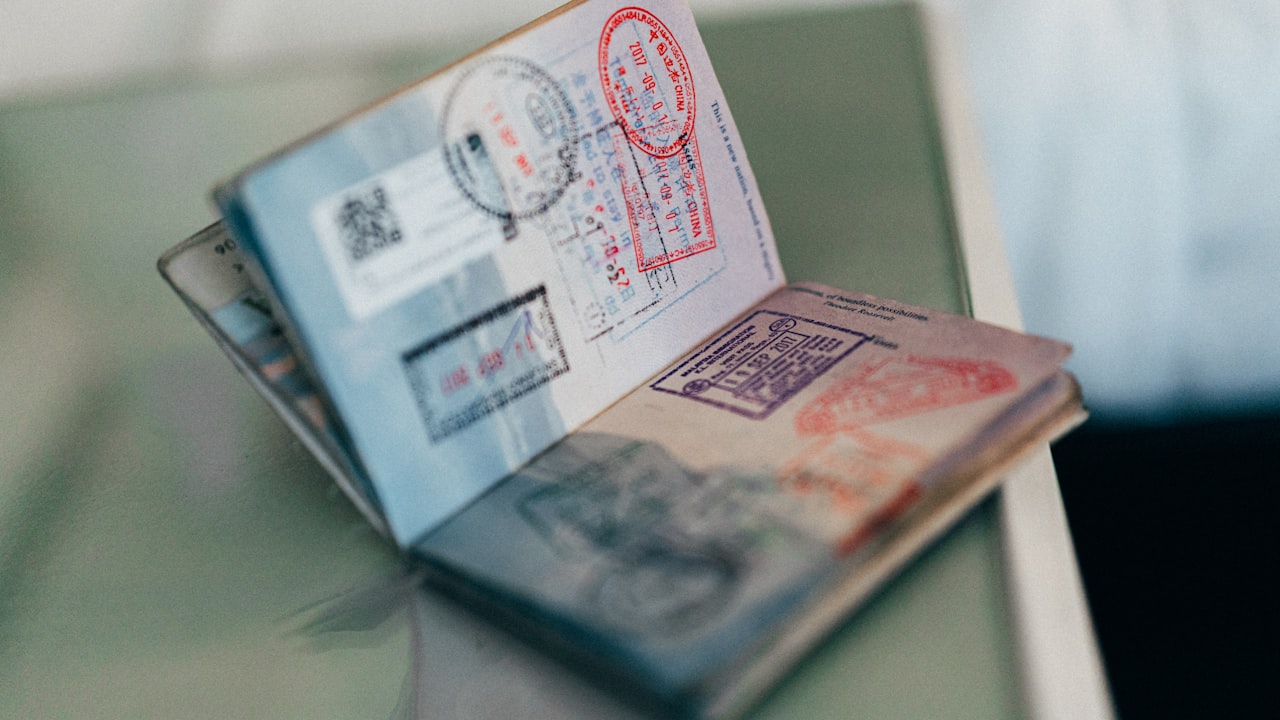
Why Government-Issued ID Is Required
Crypto card issuers operate under the same Know Your Customer (KYC) and Anti-Money Laundering (AML) regulations as traditional fintech platforms. These frameworks, enforced by financial regulators in the US, EU, and other jurisdictions, define acceptable proof of identity as a government-issued document with a photograph and security features.
Key metric: The primary reason government-issued IDs are mandated is biometric matching — the issuer’s system compares your photo on file with a real-time selfie to verify you are the cardholder. Digital IDs, even when government-backed, often lack the standardized formats and security features fintech systems are designed to verify, making them unsuitable for this process.
Why it matters: Accepting digital IDs would require ether.fi and other platforms to build entirely separate verification workflows, introduce compliance risk, and potentially violate regulatory expectations in key markets. The cost of this complexity is why even leading centralized crypto exchanges (Crypto.com, Coinbase, Kraken) maintain physical-ID-only policies.
Signal: If your country or region has issued a digital ID but no physical government photo ID, you may not be able to verify an ether.fi Cash account at this time — check the issuer’s support documentation or contact their team before applying.
What Types of ID Does Ether.fi Accept?
Ether.fi Cash accepts the following government-issued photo IDs for KYC verification:
- Passport — most widely accepted across all jurisdictions
- Driver’s license — accepted in US, EU, UK, Canada, and other countries
- National identity card — standard in most EU member states
- Residency permit or visa — accepted in some countries as supplementary proof
Each ID must be:
- Currently valid (not expired)
- Issued by a government agency
- Contain a photograph
- Be clearly legible (no glare, shadows, or obscured text)
Risk: Expired IDs are rejected automatically, even if you still possess the card. Renew your ID before applying if it will expire soon.
Alternative: If your primary ID is expired, some platforms accept a supplementary document (utility bill, bank statement, proof of address) as additional proof. Check ether.fi’s current requirements, as policies evolve.
How to Verify KYC on Ether.fi
The how to verify kyc on ether fi process takes three steps and typically completes in 1–2 business days.
Step 1: Upload Your ID
During account signup, you’ll be prompted to provide a photo of your government-issued ID. The system accepts:
- Passport main page (photo + biodata)
- Driver’s license front and back
- National ID card front and back
Keep the photo well-lit, in focus, and framed so all text is readable. Mobile phone photos work fine if they meet these standards.
Step 2: Facial Biometric Verification
After you upload your ID, you’ll be asked to take a selfie. The system uses this to confirm that you match the photo on your government-issued document. Sit in good lighting, face the camera directly, and avoid wearing sunglasses or hats that obscure your face.
Key metric: Biometric verification is instant — it either passes or prompts you to retake the photo. If rejected twice, wait 24 hours before trying again.
Step 3: Review and Approval
Once your upload and selfie pass automated checks, ether.fi’s compliance team performs a manual review. This typically takes 24–48 hours.
You’ll receive email notification when your account is approved. At that point, you can order your physical card and begin using the virtual card immediately.
Watch: If approval is delayed beyond 48 hours, check your email (including spam) for a message asking for additional documents or clarification. Some users’ accounts enter a review queue if the system flags them for manual inspection — this is normal and usually resolves within 5 business days.
Digital vs. Physical ID — Why the Difference Matters
“Can I use a digital ID instead of a physical government ID?” is a common question as digital ID programs expand in Europe, Singapore, and other regions. The answer hinges on regulatory and technical constraints.
Regulatory Perspective
Financial regulators’ KYC guidelines specify “government-issued identification documents” — a term traditionally understood as physical certificates. Digital IDs, even when government-backed, exist in a legal gray area: regulators have not yet issued comprehensive guidance on whether they satisfy KYC requirements. This legal uncertainty means platforms like ether.fi must stick to the proven baseline: physical government IDs.
Why it matters: Accepting digital-only ID would expose ether.fi to regulatory risk in jurisdictions where the digital ID standard is not yet codified. The compliance burden outweighs the convenience gain.
Technical Perspective
Biometric verification systems are trained on high-resolution photos from government IDs. These documents have consistent formatting, lighting, and quality standards. Digital IDs, by contrast, vary widely: some are app-based soft credentials without standardized photo formats, while others are cryptographic certificates with no photo at all.
Key metric: A platform’s facial-recognition engine may struggle to match a selfie against a digital ID credential, leading to repeated verification failures. Rather than build custom workflows for each digital ID type, platforms accept only the format their systems are optimized for: traditional government photo IDs.
Signal: If you’re considering a region for crypto card adoption and digital ID is your only form of ID, contact ether.fi support directly to confirm the current policy. Some countries may add digital ID support in the future as regulatory guidance clarifies.
What Happens if Your ID Doesn’t Work?
Risk: Rejected IDs are the single most common reason for KYC delays. Reasons include: expired ID, poor photo quality, name mismatch (e.g., you’ve married and changed your name, but your ID doesn’t reflect that), or insufficient address proof.
If your ID is rejected:
- Review ether.fi’s rejection reason (check your email and account dashboard).
- Gather a supplementary document if required (utility bill, bank statement, government letter).
- Resubmit with clearer photos and correct information.
Alternative: If you’re unable to verify with your current ID, reach out to ether.fi support with a photo of your ID and explanation. Their compliance team can advise whether an alternative document works in your jurisdiction.
Timeline and What to Expect
From signup to approved account:
- Upload ID & selfie: 5–10 minutes
- Automated verification: Instant
- Manual compliance review: 24–48 hours (up to 5 business days in rare cases)
- Card issuance: Instant (virtual) + 5–10 business days (physical, depends on postal service)
Most users see full approval within 2 business days. If you’re approaching a deadline (holiday, weekend, international time difference), apply early.
Frequently Asked Questions
Q: Can I use my state-issued digital ID for crypto card KYC?
A: State-issued digital IDs (such as Apple Wallet or Google Wallet-based state IDs in the US) are not currently accepted by ether.fi or most crypto platforms. The reason is that these credentials exist in app-based form only and lack the standardized security features fintech verification systems expect. Government photo IDs (driver's license, passport) remain the standard. Check ether.fi's support page for the most current policy.
Q: What if I don't have a valid government-issued photo ID?
A: You will not be able to open an ether.fi Cash account without government-issued photo ID. Crypto cards operate under strict regulatory requirements that make photo ID mandatory. Options: renew your existing ID, apply for a new passport or national ID card, or use another government-issued photo document if available in your jurisdiction.
Q: How long does KYC verification actually take on ether.fi?
A: Most verifications complete within 24–48 hours after you submit your ID and selfie. Automated checks happen instantly; manual review by the compliance team adds 1–2 business days. In rare cases (weekend submissions, additional document requests), verification may take up to 5 business days. You'll receive email confirmation when approved.
Q: Can I apply for an ether.fi Cash card if I'm from a prohibited country?
A: No. Ether.fi is not available in certain jurisdictions (Belarus, Bangladesh, China, Cuba, India, Iraq, North Korea, Russia, Syria, and others). If you're in a prohibited country, consider alternatives like Crypto.com Card or RedotPay. Check the issuer's availability page to confirm your country's status.
Q: What if my KYC verification is rejected?
A: Common rejection reasons include expired ID, poor photo quality, name mismatches, or unclear documentation. Resubmit with a clear photo of your ID (good lighting, all text legible) and ensure your name and address match your application. If repeated rejections occur, contact ether.fi support — their team can advise on supplementary documents or next steps for your region.
What to Watch
- Regulatory changes in digital ID acceptance — as EU member states and other regions update fintech KYC standards, digital IDs may eventually gain acceptance. Monitor ether.fi’s compliance updates for announcements.
- KYC processing times in your region — during high-volume periods (market rallies, new card launches), manual review can take longer. Allow extra time if you’re on a deadline.
- Tier-specific verification requirements — Pinnacle and VIP tiers may have enhanced KYC steps. Check ether.fi’s tier requirements before upgrading.
- Address re-verification — if you move, some platforms require address proof (utility bill, lease agreement) to update your account. Plan for this when relocating.
- Identity theft and verification security — never share your ID photos or selfies outside the official ether.fi app or website. Scammers impersonate support staff and request these documents.
Bottom Line
- Physical government-issued photo ID is mandatory — digital IDs do not meet current KYC requirements on ether.fi or other major crypto card platforms.
- Acceptable IDs: Passport, driver’s license, national ID card (must be current and government-issued).
- Verification timeline: 24–48 hours for most users, from submission to account approval.
- If you fit the profile of someone in a jurisdiction without a physical government photo ID, or with an expired one, you’ll need to renew your ID or explore alternative crypto cards first. In jurisdictions where ether.fi operates, a valid government-issued photo ID is non-negotiable for account activation and card issuance.
Risk and Disclosure
DefyCard publishes affiliate-linked reviews; we may earn a commission when you sign up through our links.
Crypto assets are volatile and carry risk of loss. Ether.fi Cash is only available in select countries and regions; confirm your jurisdiction’s eligibility before applying. KYC and identity verification processes are subject to change based on regulatory requirements and platform policy updates. Always verify the current requirements directly with the issuer before submitting documents.
For the most up-to-date KYC procedures and accepted ID types, visit ether.fi’s official help center or contact their support team.