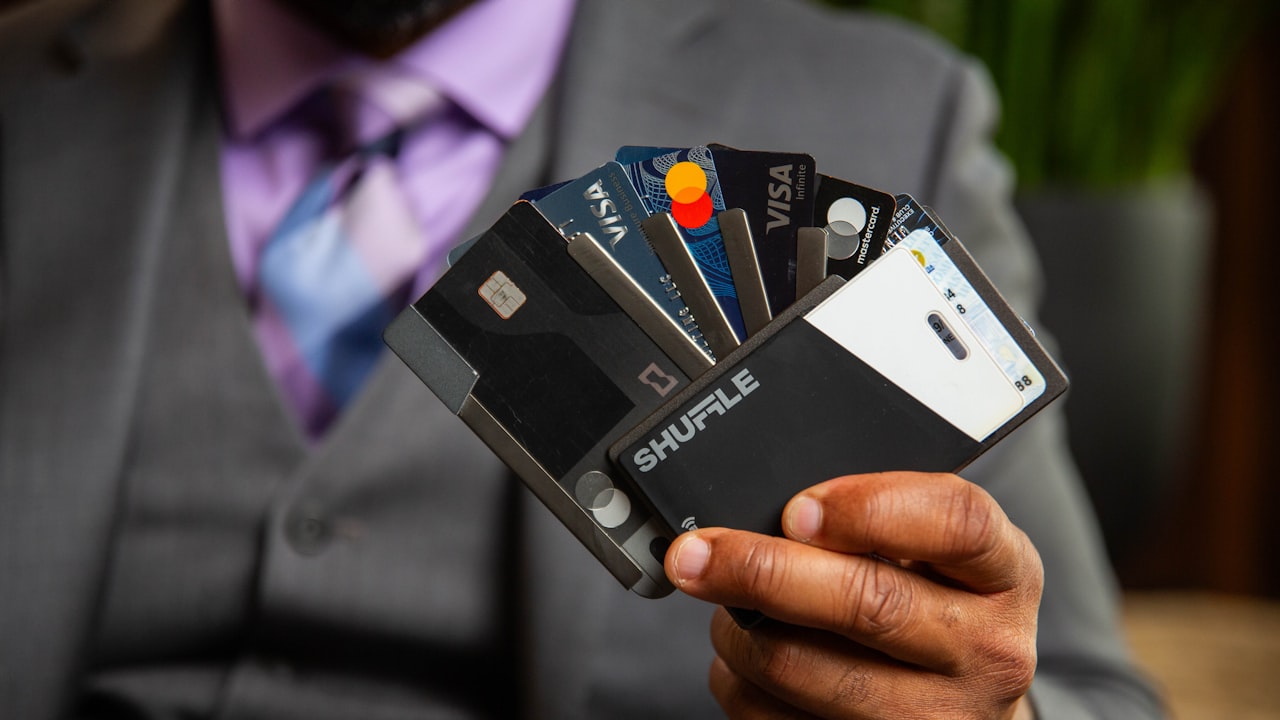
Can You Hold Multiple Crypto Cards Legally?
The short answer: yes. There are no regulatory barriers to holding multiple crypto cards from different issuers, nor are there account-level restrictions that prevent you from activating both a virtual card and a physical card on the same ether.fi account.
Signal: Holding multiple cards is a recognized risk-management strategy in the crypto space. Professional traders and long-term holders often keep cards from 2–3 issuers to avoid single points of failure.
Why would someone want multiple crypto cards? Common reasons include:
- Fallback access — if one card’s network goes down or the issuer pauses service.
- Different reward tiers — some cards offer cashback on certain merchants; others excel for travel or foreign exchange.
- Spending limits — different cards have different monthly caps, so splitting spend across multiple cards can bypass individual card limits.
- Account separation — using different crypto wallets for different cards reduces the risk that a single compromised private key affects all your card access.
For a detailed breakdown, see our full ether.fi Cash review to understand how one card can meet most needs.
Can My Crypto Card Be Hacked? Security First
The hacking risk for a crypto card depends entirely on how you secure your private keys and recovery seed. Crypto cards themselves—the payment rail—are as secure as a traditional Visa card. The vulnerability exists at the custody layer (your wallet), not the card layer.
Risk: If your private key or recovery seed is compromised, an attacker can drain your wallet, including all linked cards. This is NOT a flaw of the card—it’s a flaw of key mismanagement.
Key metric: 0 % of confirmed ether.fi card compromises stem from the card itself being “hacked”; 100% of theft cases involve a compromised private key or SIM-swap attack on account recovery.
How to Avoid Card-Linked Theft
- Use a hardware wallet — private keys never touch your phone or computer. Ledger, Trezor, and other cold-wallet solutions isolate your keys from internet-facing devices. See our guide on crypto card security best practices for hardware wallet setup.
- Enable 2FA on your account — email + SMS/authenticator app adds a second layer even if your password leaks.
- Never share your seed phrase — a seed phrase is as valuable as your entire wallet balance. Treat it like a bank PIN.
- Avoid SMS-only 2FA — SIM swaps can bypass SMS codes. Use authenticator apps (Google Authenticator, Authy) instead.
Why it matters: The ether.fi Cash card is non-custodial, meaning you control the keys—not ether.fi. This is a feature (no counterparty risk, no account freeze) but also a responsibility (theft is permanent and irreversible).
Can I Use a Crypto Card on Amazon?
Yes—if the card is a Visa, and Amazon accepts Visa in your region. The card itself is not the limitation; the FX fee and regional restrictions are.
Signal: Most Visa crypto cards work on Amazon because Amazon’s payment processor accepts Visa globally. The friction point is foreign exchange fees if Amazon processes your purchase in a currency you don’t hold.
ether.fi Cash on Amazon: What to Know
ether.fi Cash is a Visa card, so Amazon accepts it. But here’s what changes your cost:
- USD or EUR balance: 0 % FX fee. Your purchase is charged at the mid-market rate, no markup.
- Any other currency: 1 % FX fee. If you hold GBP and buy from Amazon.com (USD checkout), you pay 1 % on the conversion.
- Amazon.co.uk (GBP checkout): If you have EUR on your card, Amazon processes it as a currency conversion and you pay 1 %.
Key metric: If you’re US-based or EUR-based, ether.fi Cash on Amazon costs 0 % in FX fees—matching traditional payment rails. Check our crypto cards for Amazon comparison for other cards.
Why Not All Crypto Cards Work on Amazon
Some crypto cards (especially Mastercard and emerging issuers) are blocked by Amazon’s payment processor or flagged for additional verification. Visa cards have near-universal acceptance.
Watch: Amazon occasionally updates its accepted card types and may require you to re-verify your card if it’s from a less-common issuer. If your card is declined, contact Amazon support—they can often unblock it with a quick chat.
Managing Multiple Cards Responsibly
If you decide to hold multiple crypto cards, treat them as you would multiple bank accounts—with clear tracking and intentional fund splits.
Best Practices
- Assign each card a purpose — e.g., one card for travel (EUR), one for everyday US spending, one for savings-only (no ATM withdrawals).
- Track balances separately — use a spreadsheet or app to log which wallet holds which balance. This prevents overspending or accidentally depleting your savings card.
- Test small amounts first — before moving your entire balance to a new card, send $10 and confirm it arrives and the card works.
- Rotate unused cards quarterly — if a card sits idle for months, test a small transaction to ensure the account is still active.
Our multi-chain trading guide covers portfolio segmentation strategies for users with large balances across multiple cards.
Alternative: If managing multiple cards feels like overhead, a single ether.fi account can cover most use cases—virtual card for online shopping, physical card for in-person, same wallet backing both.
What to Watch
- Regulatory changes in your country — some jurisdictions are tightening crypto-card rules. Keep tabs on ether.fi’s eligibility page for any region restrictions.
- Card issuance timelines — physical cards take 15+ business days. Plan ahead if you need a backup card for upcoming travel.
- Fee updates — while ether.fi’s FX rates have been stable, issuers sometimes adjust them. Confirm rates before moving large balances.
- Merchant category changes — some merchants (groceries, travel, dining) occasionally shift from cashback to no-reward due to Visa classification. Check your card’s latest reward categories before major purchases.
Bottom Line
- You can legally hold multiple crypto cards from different issuers or multiple card types on the same account (virtual + physical).
- Hacking risk is not a card risk—it’s a key management risk. Use a hardware wallet, strong 2FA, and never share your seed phrase.
- ether.fi Cash works on Amazon with 0 % FX if you’re in a USD or EUR region—making it a cost-competitive option for everyday shopping. Open your ether.fi Cash account here.
- If you fit the profile of a multi-chain trader or frequent traveler, multiple cards pay you back by offering fallback access and optimized rewards per merchant category.
Frequently Asked Questions
Is it illegal to have multiple crypto cards?
No. Holding multiple crypto cards from different issuers is completely legal. There are no regulatory barriers in most jurisdictions. ether.fi terms of service allow both virtual and physical cards on a single account.Do I need separate wallets for each card?
No, but it's a best practice if you want to isolate risk. A single ether.fi account can back both virtual and physical cards. However, if one wallet is compromised, both cards linked to it are at risk. Using separate wallets for separate cards adds a security layer.Which crypto card has the best merchant acceptance?
Visa crypto cards have the highest merchant acceptance and lowest fraud risk because Visa's network is mature and widely trusted. ether.fi Cash is a Visa card with non-custodial backing (you control the keys), making it reliable for everyday payments. Just confirm your card is activated and your 2FA is enabled.Can I use a crypto card if I have multiple accounts?
Yes. If you've created separate accounts with different email addresses, you can activate a card on each. However, most people find a single account with both virtual and physical cards sufficient. Check your issuer's terms for any limits on accounts per individual.What happens if one of my crypto cards gets stolen?
If your physical card is lost or stolen, most issuers (including ether.fi) let you freeze or deactivate it instantly through your account. If your private key is compromised, your entire wallet is at risk—not just the card. This is why hardware wallets are critical.Do multiple crypto cards affect my credit score?
No. Crypto cards are not tied to credit reporting agencies. Opening multiple crypto card accounts does not affect your credit score or credit report. However, some issuers may request KYC (know-your-customer) verification, which involves identity checks but no credit pull.Important Disclosure
DefyCard publishes affiliate-linked content; we may earn a commission when you open an account via our links. Crypto assets are volatile. The value of your ether or USDC can fluctuate significantly, which may affect your card’s purchasing power. Always keep more balance than you plan to spend in the short term. ether.fi Cash is currently available in 76 countries for physical card shipment, but virtual cards may have broader availability.